Ever wonder why different electric guitars can sound so distinct, even when they’re playing the same note? A big part of that mystery lies in something called pickups. In the world of electric guitars, there are two main types of pickups: active and passive. These tiny but mighty parts have a huge impact on the sound, or “tone,” your guitar produces. This post will dive into the showdown of active vs passive pickups, exploring how each type shapes the unique voice of a guitar. Let’s dig in.
TABLE OF CONTENTS
Understanding Guitar Pickups
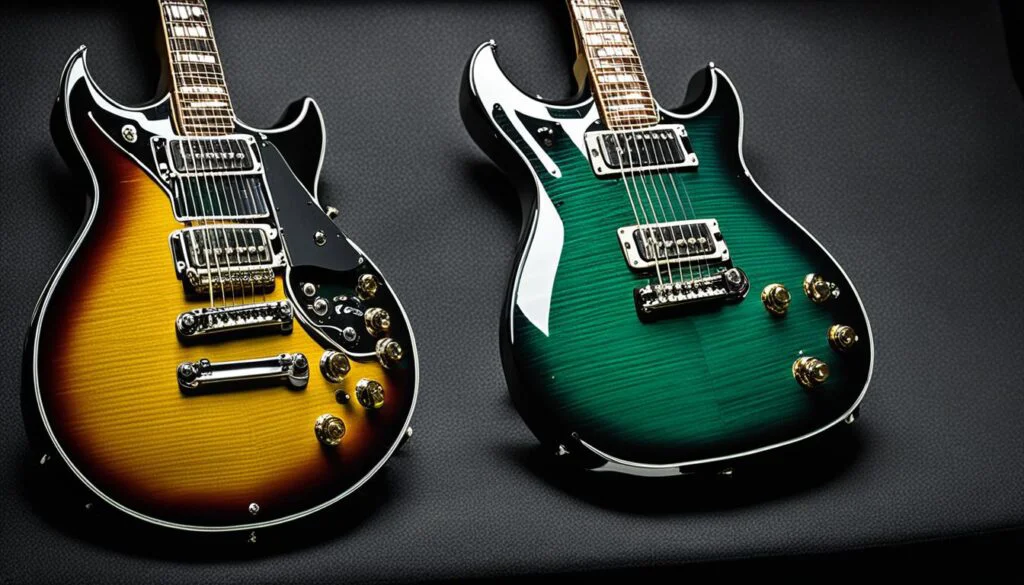
Before we dive deep into the battle of active vs passive pickups, let’s lay down some basics. Guitar pickups are the bridge between strumming the strings and amplifying your music through a speaker. But how do they work, and why are there different types?
The Basics Of Guitar Pickups
At their core, guitar pickups are all about capturing the vibrations of your guitar strings and turning them into an electrical signal that can be amplified. They do this using magnets and coils of copper wire. When you pluck a string, it vibrates over the pickup, which then creates a magnetic field. This vibration disrupts the magnetic field and generates an electrical signal that mirrors the sound of your string’s vibration. It’s like magic, but with magnets!
Types Of Guitar Pickups
There are a few different flavors in the world of guitar pickups, but the two big ones are humbuckers and single-coils.
- Single-Coil Pickups: These pickups are known for their bright, clear sound. They’re called “single-coil” because they use one coil of wire wrapped around a magnet. However, they can pick up interference from other electronic devices, which adds a bit of a hum to their sound.
- Humbuckers: In response to the hum issue with single-coils, humbuckers were born. They use two coils instead of one, which cancels out the noise (or “bucks the hum,” hence the name). This gives them a richer, more rounded tone that’s less prone to interference.
Each type of pickup has its unique charm and plays a role in defining the sound of a guitar. Whether you’re into the crispness of a single-coil or the warmth of a humbucker, there’s a pickup that matches your vibe. But where do active and passive pickups come into play? Stick around, and we’ll get into that next.
Active Vs Passive Pickups: The Core Differences
Now that we’ve got the basics down, let’s dive into the main event: active vs passive pickups. These two camps have their fans and detractors, and much of it comes down to their core differences in construction, functionality, and the resulting sound. Understanding these differences is key to choosing the right type for your guitar-playing needs.
Passive Pickups
Passive pickups are the original rockstars of the electric guitar world. They rely purely on the magnetic field created by the strings’ vibrations, without any external power source. Here’s what you need to know about them:
- Sound: Passive pickups are celebrated for their natural, warm sound. They’re capable of capturing the nuanced dynamics of your playing, making them a favorite among blues, jazz, and rock musicians.
- Construction: They’re simpler in design, consisting of magnets wrapped in coils of copper wire. This simplicity means they can produce a rich tone without needing extra help.
- Volume and Tone Control: With passive pickups, adjusting your guitar’s volume and tone knobs can significantly affect your sound, offering a wide range of sonic possibilities.
- Notable Brands: Companies like Fender and Seymour Duncan are famous for their high-quality passive pickups, used by countless guitar legends.
Active Pickups
Active pickups take the basic premise of passive pickups and add a built-in preamp powered by a battery. This addition changes the game in several ways:
- Sound: Active pickups are known for their clarity and consistency at all volume levels, with a higher output that’s particularly suited to genres like metal and hard rock. They offer a tighter, more controlled sound, with less background noise.
- Construction: Besides the magnets and coils, active pickups include a preamp that boosts the signal before it reaches your amp. This means you get a strong, clear signal without as much need for amplification.
- Battery Power: The preamp needs power, which usually comes from a 9V battery. This means active pickups require a bit more maintenance, as you’ll need to replace the battery occasionally.
- Tone Shaping: Thanks to their built-in preamp, active pickups can offer more tone-shaping options right from the guitar, allowing for more control over your sound without needing to tweak your amp settings as much.
- Notable Brands: EMG and Fishman are giants in the active pickup arena, with models like the EMG 81 and Fishman Fluence series being popular choices among players looking for precision and power.
So, What’s The Difference?
The main difference between active and passive pickups lies in their approach to amplifying your guitar’s sound. Passive pickups do so naturally, using the magnetic field from your strings, while active pickups use a battery-powered preamp to boost and refine the signal. This leads to distinct differences in tone, output, and the ability to shape your sound.
Active And Passive Pickups (Pros & Cons)
Choosing between active and passive pickups is a big decision for any guitarist. Each type has its advantages and disadvantages, depending on your playing style, the genres you prefer, and the tone you’re aiming for. Let’s break down the pros and cons of each to help you make an informed choice.
Passive Pickups
Pros
- Natural Dynamics: Passive pickups are renowned for their ability to capture the natural dynamics of your playing, offering a warm, organic sound that's responsive to your touch.
- Versatility: They're incredibly versatile, suited to a wide range of genres from blues and jazz to rock and country. The way they interact with your guitar's volume and tone controls can significantly alter your sound.
- No Battery Required: Since they don't need a power source, you'll never have to worry about your pickups dying in the middle of a performance or practice session.
Cons
- Susceptible to Interference: The simplicity of their design means they can pick up electromagnetic interference, leading to hum and noise, especially in single-coil pickups.
- Limited Output: Passive pickups generally have a lower output compared to active pickups, which might require you to push your amp harder for those high-gain tones.
Active Pickups
Pros
- High Output and Clarity: Active pickups deliver a higher output and crystal-clear clarity, even at low volumes, making them ideal for genres that demand precision and power, like metal and hard rock.
- Less Noise: The built-in preamp helps to minimize noise and interference, providing a cleaner sound that's free from the hum that can affect passive pickups.
- Tone Shaping: With active pickups, you often get more control over your tone right from your guitar, thanks to the preamp's ability to shape the signal before it hits your amp.
Cons
- Battery Dependence: The need for a battery means there's always a chance your pickups could run out of juice at an inopportune time. Regular checks and replacements are necessary.
- Less Dynamic Range: Some players find that active pickups compress their playing dynamics, offering less variation in tone based on how hard or soft you play.
- Distinctive Sound: While the clarity and output of active pickups are advantages for some, others may find their sound too polished or artificial, lacking the warmth and character of passive pickups.
Famous Guitarists And Their Pickup Choices

The debate between active and passive pickups isn’t just theoretical—it plays out on the stages and in the studios of some of the world’s most famous guitarists. Let’s take a closer look at a few iconic players and the pickups they’ve chosen to define their legendary sounds.
David Gilmour (Pink Floyd)
David Gilmour of Pink Floyd is synonymous with expressive, atmospheric guitar work. His choice? Passive pickups. Gilmour’s famous Black Strat features custom-wound single-coil pickups that contribute to his signature sustain and creamy tones. This choice reflects his need for dynamic sensitivity and tonal warmth, perfect for Pink Floyd’s emotional and expansive soundscapes.
James Hetfield (Metallica)
Metallica’s rhythm guitarist, James Hetfield, is known for his aggressive picking and heavy riffs. To achieve his iconic sound, Hetfield uses active EMG pickups, specifically the EMG 81/60 set. These pickups provide the high output and clarity needed for Metallica’s fast-paced, distorted guitar tones, proving essential for metal players seeking precision and power.
Slash (Guns N’ Roses)
Slash, the legendary lead guitarist for Guns N’ Roses, relies on passive pickups to get his rich, sustaining leads and crunchy rhythm tones. His preference for Seymour Duncan Alnico II Pro humbuckers in his Les Paul guitars showcases the importance of a pickup’s ability to capture the nuances of his expressive playing style, delivering the warmth and dynamic range that define his sound.
Tosin Abasi (Animals as Leaders)
Tosin Abasi, known for his technical prowess and innovative guitar work with Animals as Leaders, uses Fishman Fluence pickups, a modern take on active pickups. These pickups offer him a wide range of tones suitable for the complex, genre-defying music of his band. The clarity and consistency of active pickups support his multifaceted playing, from clean, ambient passages to aggressive, distorted riffs.
Mark Knopfler (Dire Straits)
Mark Knopfler, famed for his fingerstyle playing and the distinctively clean and articulate sound of Dire Straits, prefers passive pickups. His Fender Stratocasters, equipped with their original single-coil pickups, help produce his smooth, nuanced tones that have become instantly recognizable. Knopfler’s choice emphasizes the value of passive pickups for players seeking expressive tonal clarity and dynamic sensitivity.
Frequently Asked Questions (FAQs)
What is the difference between active and passive guitar pickups?
Passive pickups are the traditional design found in the vast majority of electric guitars — they consist of a coil of wire wound around a magnet and generate an electrical signal purely through the interaction between the strings' vibration and the magnetic field, requiring no external power source. Active pickups use the same basic electromagnetic principle but add a preamp circuit powered by a 9V battery that boosts and shapes the signal before it leaves the guitar. This gives active pickups a hotter, more consistent output with a lower noise floor, while passive pickups are valued for their more dynamic, touch-sensitive response and the natural way they interact with the guitar's tone controls and the input stage of an amplifier. The choice between them is less about one being better and more about which sonic and playing characteristics suit the style and genre.
Do active pickups sound better than passive pickups for metal and high-gain playing?
Active pickups have become the dominant choice for metal and high-gain styles for good reason — their high output, tight low end, and low noise floor make them exceptionally well suited to heavily distorted tones. The controlled, consistent signal that active pickups feed into a high-gain amplifier or pedal produces a tighter, more articulate response with less unwanted noise and feedback compared to a hot passive pickup in the same context. EMG 81 and 85 active pickups in particular have defined the sound of modern metal for decades. That said, many metal and hard rock players — including some of the genre's most respected names — use passive pickups and prefer the added harmonic complexity and feel they bring to high-gain tones. Active pickups are arguably the more practical tool for the job, but passive pickups in metal are far from a compromise.
What are the disadvantages of active pickups compared to passive pickups?
The most immediate practical disadvantage of active pickups is the requirement for battery power — a dead 9V battery means no sound, which is a real concern in live performance situations if the player doesn't stay on top of battery maintenance. Active pickups are also frequently criticized for sounding more sterile, compressed, and uniform compared to passive pickups, with less of the organic harmonic complexity and dynamic sensitivity that many players associate with great guitar tone. They tend to respond less dramatically to changes in picking attack and volume knob adjustments, which can feel limiting for players who use those dynamics expressively. Active pickups are also less common outside of metal and bass contexts, meaning the selection of instruments and aftermarket options is narrower than the passive pickup market.
Can you replace passive pickups with active pickups, or vice versa?
Yes, it is possible to swap between active and passive pickups, but it is not a simple drop-in replacement and requires more than just swapping the pickups themselves. Active pickups typically use 25k ohm potentiometers for volume and tone controls, while passive pickups use 250k or 500k ohm pots — using the wrong value pots with either type will result in a noticeably degraded tone. Active pickup installations also require routing or cavity space for the battery compartment if the guitar doesn't already have one. Wiring schemes differ as well, so a full electronics swap including pots, output jack, and wiring is generally necessary when converting between the two systems. The conversion is well within reach for an experienced guitar tech or luthier, but is not typically a straightforward beginner-level modification.
Which professional guitarists use active pickups vs. passive pickups?
Active pickups have a particularly strong foothold in metal, where players like James Hetfield and Kirk Hammett of Metallica built their defining tones around EMG active pickups, and Zakk Wylde has long been associated with the same system. Dimebag Darrell used active pickups throughout much of his career, and countless modern metal and djent players rely on them for their tight, articulate high-gain response. The passive pickup camp is equally star-studded and spans virtually every other genre — Jimmy Page, Eric Clapton, Slash, John Mayer, David Gilmour, and the vast majority of blues, rock, and country players have built their sounds around passive pickups. The general pattern holds that active pickups dominate in high-gain metal contexts, while passive pickups remain the overwhelming preference everywhere else.
Choosing between active and passive pickups is a pivotal decision that can significantly influence your guitar tone. Active pickups offer clarity, power, and noise reduction, making them ideal for genres that demand precision and high output. Passive pickups, on the other hand, provide warmth, dynamic sensitivity, and a rich, natural sound suited to a wide range of musical styles. Ultimately, the best choice depends on your personal preference, playing style, and the tonal qualities you value most. Remember, the right pickups can transform your guitar into the perfect vehicle for your musical expression, so consider your options carefully and choose what resonates with you the most. Happy playing!
If you found this guide helpful, please consider subscribing to our blog for more music production tips, product reviews, and buying guides.
“Some of the links within this article are affiliate links. These links are from various companies such as Amazon. This means if you click on any of these links and purchase the item or service, I will receive an affiliate commission. This is at no cost to you and the money gets invested back into Audio Sorcerer LLC.”