Most 'greatest albums ever' lists rank by sales, awards, or how much your dad loves them. We're doing it differently. This is a ranking by production — what each record actually did in the studio, the techniques it introduced, perfected, or dragged into the mainstream.
So we're not judging chart position or critical consensus here. We're judging the work: the tape tricks, the mic choices, the ideas that other people copied for decades. If you care how records get made, these are the essential albums to study, and some of the best albums ever made as pure engineering statements. Let's get into it.
TABLE OF CONTENTS
How this list is ranked
One question runs through the whole list: what did this album do technically? Did it invent a technique, perfect an existing one, or set a sonic template that everyone else chased for years after?
That's the only ruler I'm using. Not units sold, not how it holds up at a dinner party. Just the production. And look — this is a point of view. Ears differ, and reasonable people will shuffle this order. That's fine.
One thread you'll notice: the ideas matter more than the gear. A lot of these records were made on machines you'd call primitive today, and the whole 'you need real analog to sound good' worship falls apart when you see what people pulled off with four tracks and a splicing block. Terminology matters here too, so I'll be careful about what was actually a technique versus a piece of equipment. For more reading on records that changed the craft, Sound on Sound's 25 Productions That Made History is a great rabbit hole.
1. Sgt. Pepper's Lonely Hearts Club Band by The Beatles
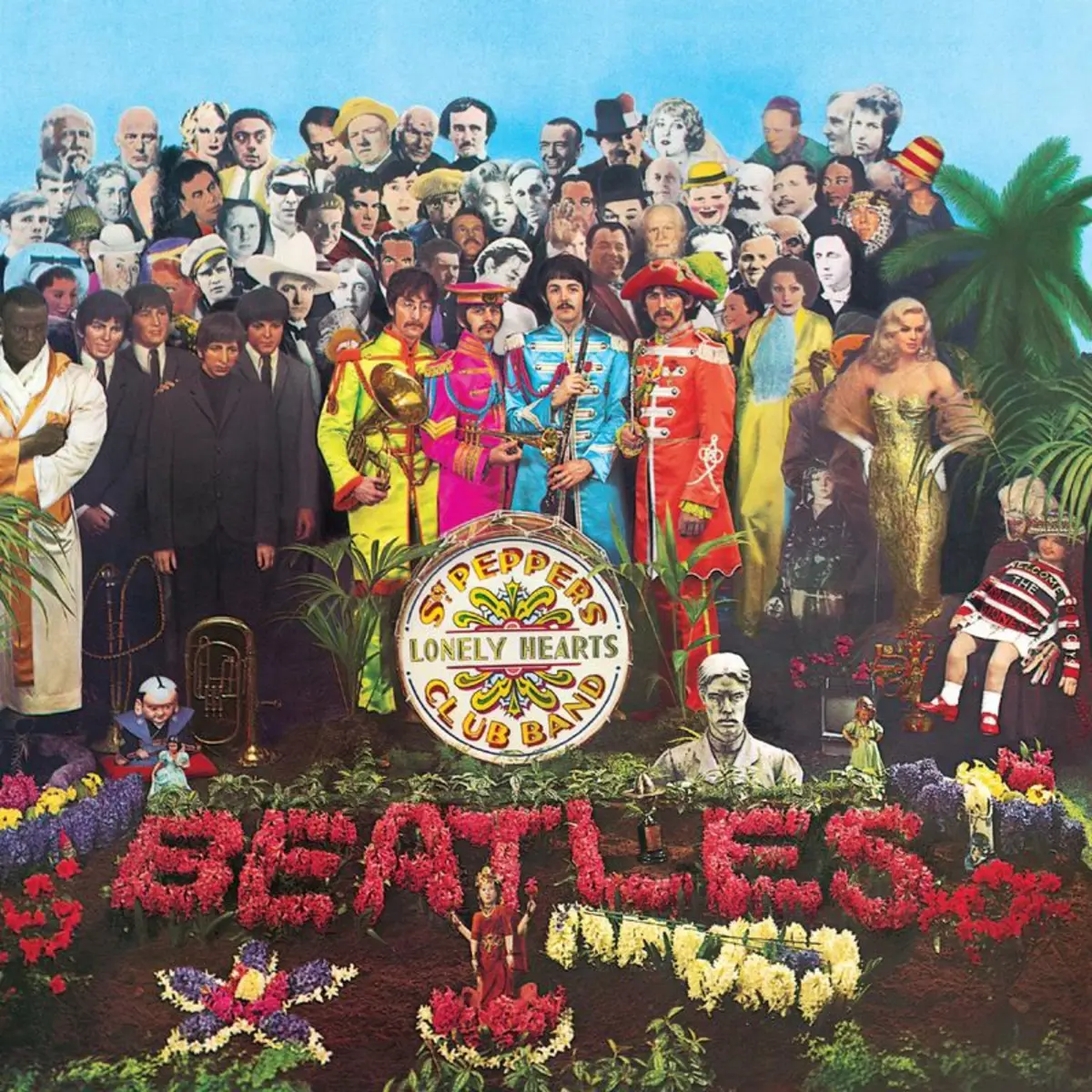
This is the studio becoming an instrument, fully realized. George Martin producing, Geoff Emerick engineering, and a band that had stopped touring and decided the control room was the real stage.
The techniques are a greatest-hits reel on their own: backward tapes, automatic double tracking, hand-cut tape loops, sound collage, and that impossible crescendo they built and then crashed into nothing. Martin got asked for a fairground noise and a wall of sound that peaks and vanishes, and the team found ways to actually do it.
Here's the honest part. A lot of this wasn't invented from scratch here. Backmasking showed up earlier on 'Rain,' and the real lab work happened on Revolver. Pepper borrowed those ideas and pushed them further.
So why number one? Because it's the record where the studio itself became the creative center, not a place to document a band. Every song is an argument that the arrangement and the engineering are the composition. Nothing before it committed that hard, and the whole industry took notes.
2. Pet Sounds by The Beach Boys

Brian Wilson treated the studio as a compositional tool before most people thought that way. He stepped off the road in early 1965 specifically to live in the control room, and you can hear every hour of it.
What floors me is how much he pulled off on 4- and 8-track machines. The Spector 'Wall of Sound' influence is all over it — multi-layered recording, cavernous reverb — but Wilson used unconventional instrumentation as a real technique, not a gimmick. Bicycle bells, timpani, the Electro-Theremin, even Coca-Cola cans. Every odd sound is doing a job in the arrangement.
Quick misconception-buster: Pet Sounds came out in mono because Wilson mixed in mono. A true stereo mix didn't exist until the 1997 Pet Sounds Sessions box. So all that depth and width you hear is coming out of a single channel, which is wild when you think about it.
Why second and not first? It's arguably the more personal statement, but Pepper took the studio-as-instrument idea and made it the entire point.
3. The Dark Side of the Moon by Pink Floyd
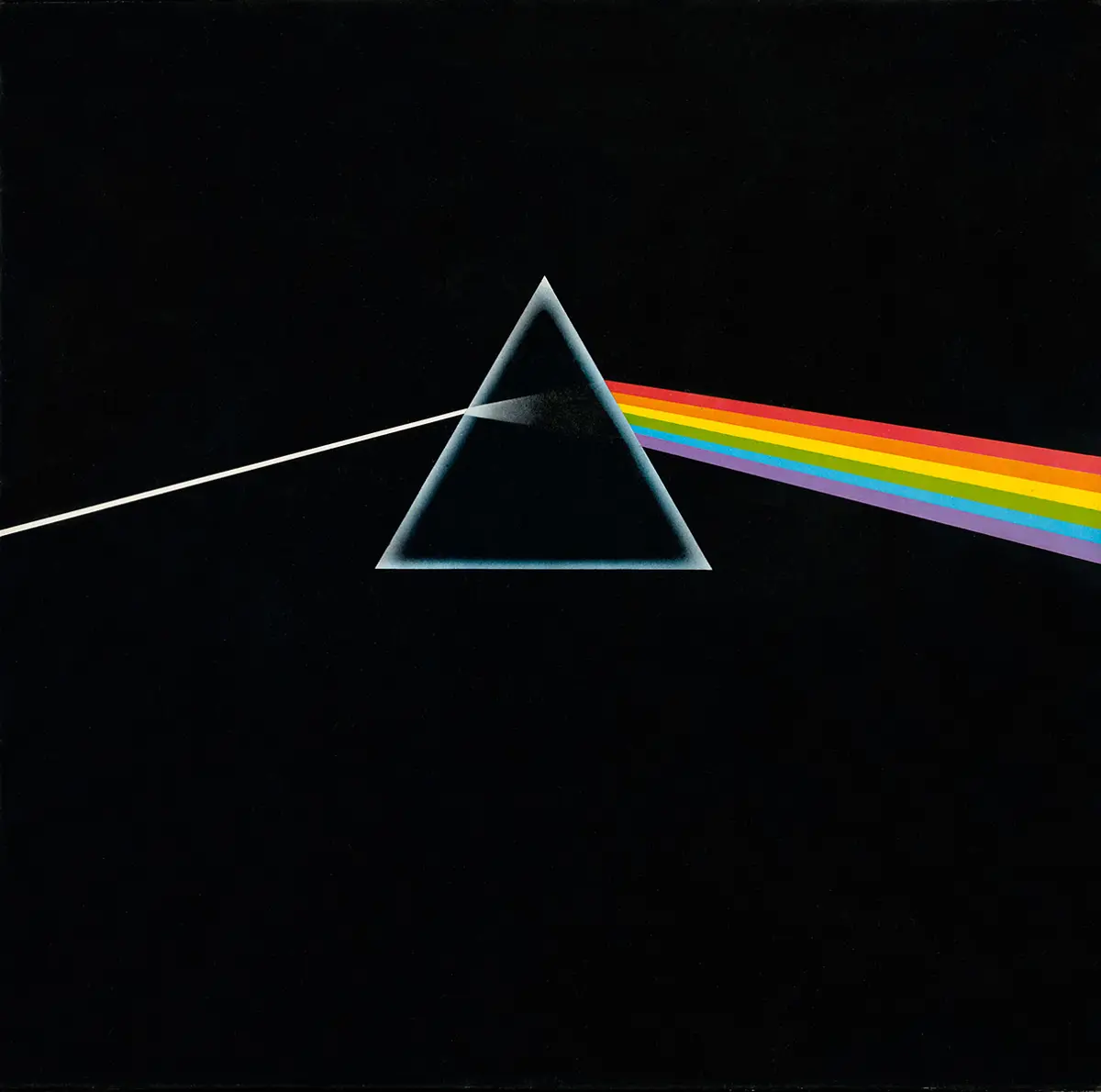
Alan Parsons engineering at Abbey Road, working on the studio's new multitrack, and doing every time-based effect with tape. No digital boxes existed yet. He'd borrow tape machines from other rooms just to get enough delays and reverbs going.
The 'Money' intro is my favorite example. That's a physical tape loop, around 20 feet long, built from coins dropped into a bowl, a till, and ripping paper — all in 7/4. They held the thing up on mic stands to run it. You can't fake that patience.
Parsons also spliced the seamless crossfades directly onto the master instead of handling them in mastering, so the album bleeds together by design. The pulsing sequence on 'On the Run' came from a VCS3 synth, back when sequencing was barely a thing.
And here's a nice less-is-more detail: Parsons leaned toward either no compression or compression on everything except the drums, because he hated squashing them. Restraint, on a record this big.
4. Thriller by Michael Jackson
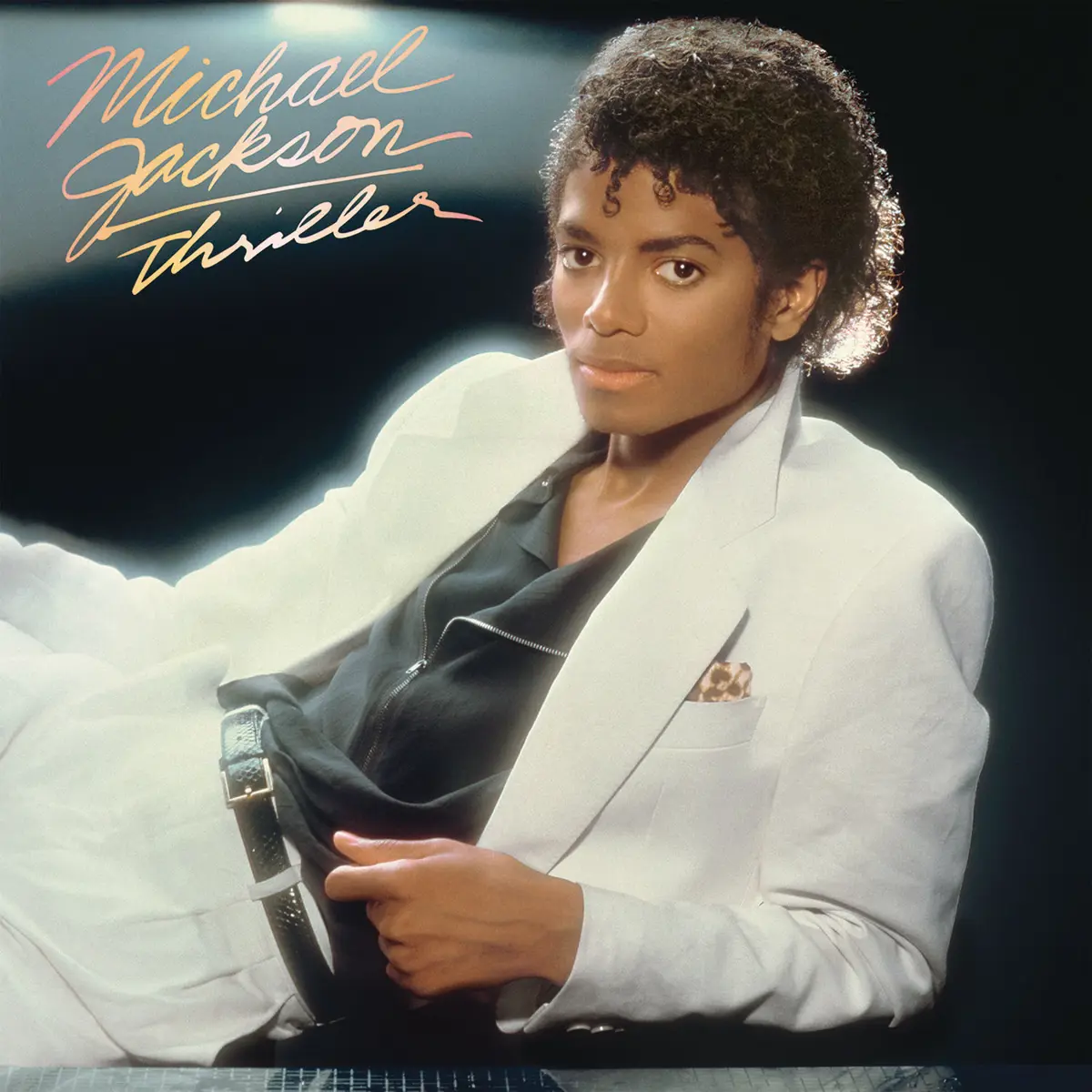
Bruce Swedien engineering under Quincy Jones, and this is where clean, powerful, hi-fi pop production got perfected into a template everyone chased for twenty years.
Swedien's big thing was the Acusonic Recording Process — chaining multiple multitrack machines together to get true stereo separation on every instrument. Important honesty beat: Acusonic isn't a box you can buy. It's just the name Swedien gave his own approach. The gear did the work, but the idea was his.
He recorded analog first on purpose. His own logic: start in digital and you can't go back, and it won't sound as good. Whether you agree or not, the results speak.
The vocal work is a masterclass too — doubled takes, varied mic distances, and an SM7 on 'P.Y.T.' to tame and shape Jackson's voice. It won the Grammy for Best Engineered Recording, and honestly, listen to how every element sits with its own space. That's the whole lesson.
5. Trans-Europe Express by Kraftwerk
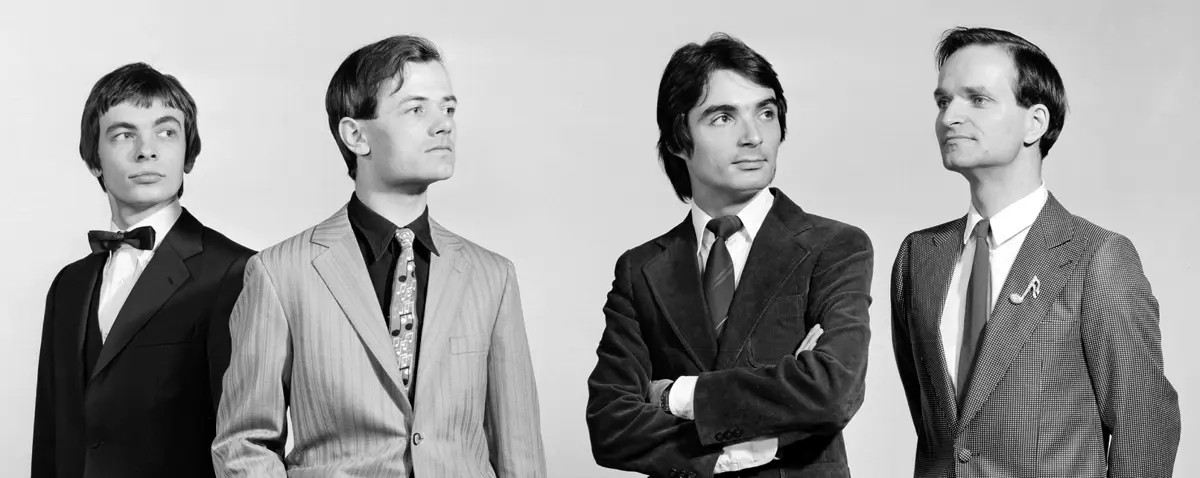
This is the sonic DNA of electro and a big chunk of hip-hop. And here's the biggest misconception-buster on the whole list: despite the robotic, machine-made aesthetic, this record and Computer World were made with analog gear. No computers. The 'computer' is an image, not the method.
The downstream moment is enormous. Afrika Bambaataa's 'Planet Rock' was built on 'Trans-Europe Express' and 'Numbers,' and that one track helped launch the electro movement and fed straight into the TR-808 era. Entire genres grew out of these grooves.
That's why it ranks here. It's not about one clever trick in the control room — it's production that created a template others built whole scenes on. You can draw a straight line from these machine rhythms to a massive amount of modern music.
Give 'Trans-Europe Express' a listen and then put on any early electro record. The family resemblance is impossible to miss.
6. Loveless by My Bloody Valentine
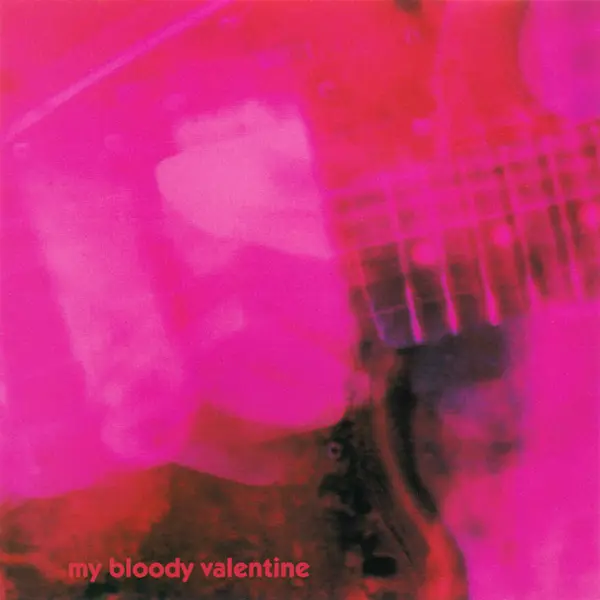
Shoegaze's most extreme statement, and one of the strangest-sounding guitar records ever made. The whole appeal is texture — layered, smeared, bent into something that barely reads as six strings anymore.
The technique angle is the pitch-bending and the stacking. Guitars get warped and piled up until they sound less like an instrument and more like weather moving through the room. It's a wall of sound in a totally different sense than Spector's — not big and clear, but dense and blurred on purpose.
Its influence spread way past rock, into electronic and experimental music, because the lesson wasn't 'play these notes.' It was 'process the source until it becomes a new sound.'
Honest note: this one's divisive and it's a demanding listen. Some people love it, some bounce right off. Either way, make sure you use good headphones — on laptop speakers you'll miss basically everything that makes it special.
7. It Takes a Nation of Millions to Hold Us Back by Public Enemy
The Bomb Squad's production is dense, loud, and gloriously chaotic — and it redefined what a hip-hop track could even be built from.
The technique here is sampling and sound collage pushed to an extreme. Instead of looping one clean break and calling it a beat, they stacked samples on samples until the track became a new thing entirely — sirens, horns, scraps of funk, noise, all layered into something aggressive and alive. It's collage as composition.
Why it ranks: it proved production itself could carry the aggression and the message. The beats aren't a backdrop for the vocals. They're part of the argument, every bit as confrontational as the lyrics.
Worth saying plainly — Public Enemy didn't invent sampling. What the Bomb Squad perfected was the dense, maximalist collage approach, and nobody had taken it that far before.
8. Remain in Light by Talking Heads
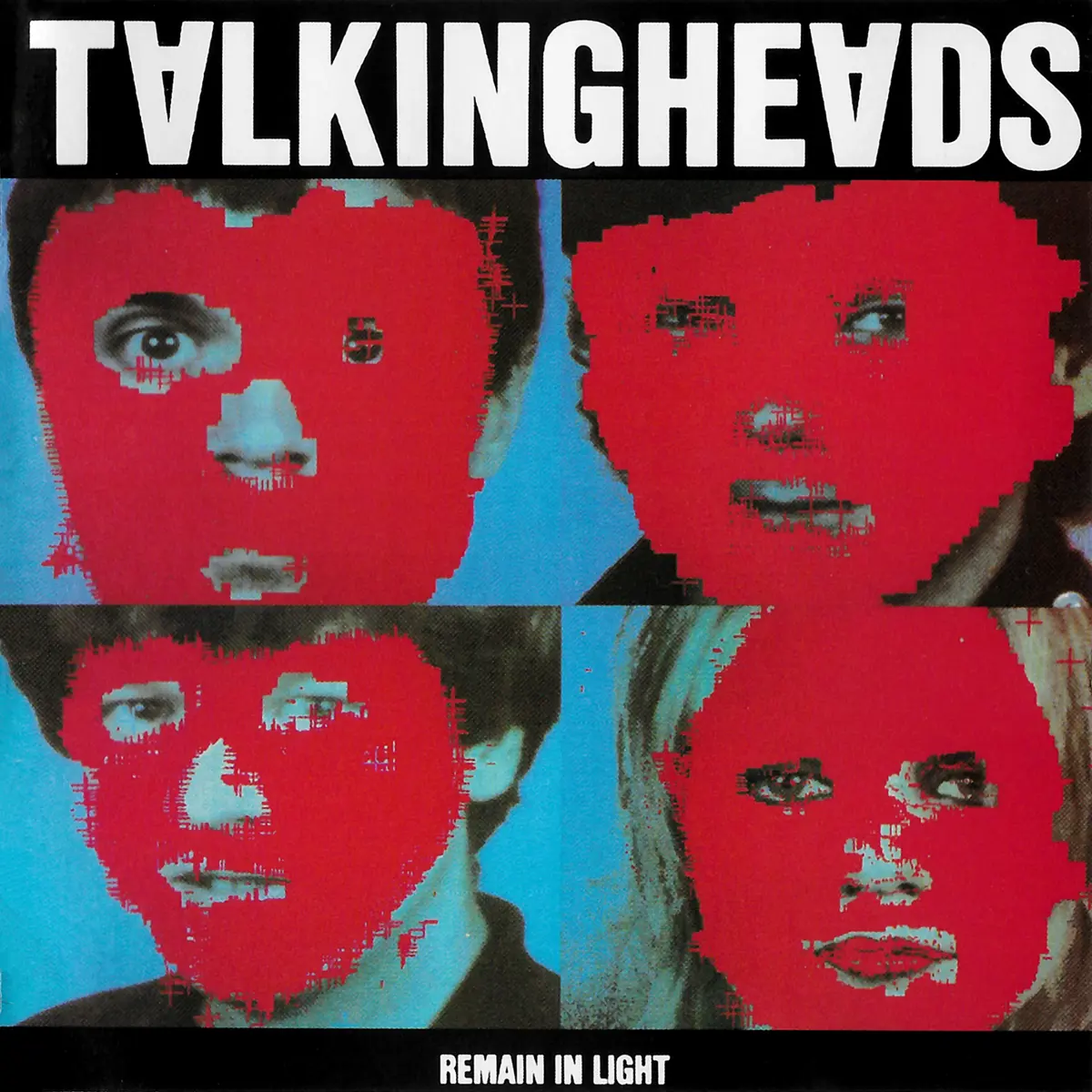
Brian Eno producing, recorded at Compass Point Studios in the Bahamas, and the approach predicted a huge amount of how records get made today.
The band didn't track these songs live, front to back. They built them out of small repeated parts — looping, early sampling, and heavy overdubbing — layering interlocking polyrhythmic lines until a groove emerged from the stack. It's closer to how a modern producer assembles a track in a DAW than to a band cutting a take in one room.
That's the technique angle, and it's why it earns a spot: construction over performance, parts over takes. Everyone builds music in layers now. These guys were doing it with tape and a lot of patience.
If you want more on how the players in this era shaped feel, our breakdown of the greatest drummers ranked by feel pairs well with this one — polyrhythm is the whole game here.
9. Kid A by Radiohead

A guitar band tearing itself down and rebuilding around electronic instruments, krautrock influence, and heavily processed production. After the success of the previous record, that's a bold move.
The technique angle is treating processing as the lead voice. Vocals get run through effects until they're an instrument, synths and treatments carry the melody, and songs get assembled from fragments rather than played straight through. The guitars are still there, but they're often disguised, chopped, or buried on purpose.
Why it ranks: it showed a mainstream rock act could go fully in-the-box and electronic without losing its identity. The band still sounds like themselves — it's just the format and the toolkit that changed.
That ties right back to the thread running through this whole list. The ideas matter more than the gear or the format. Kid A is basically that sentence turned into an album.
10. Revolver by The Beatles
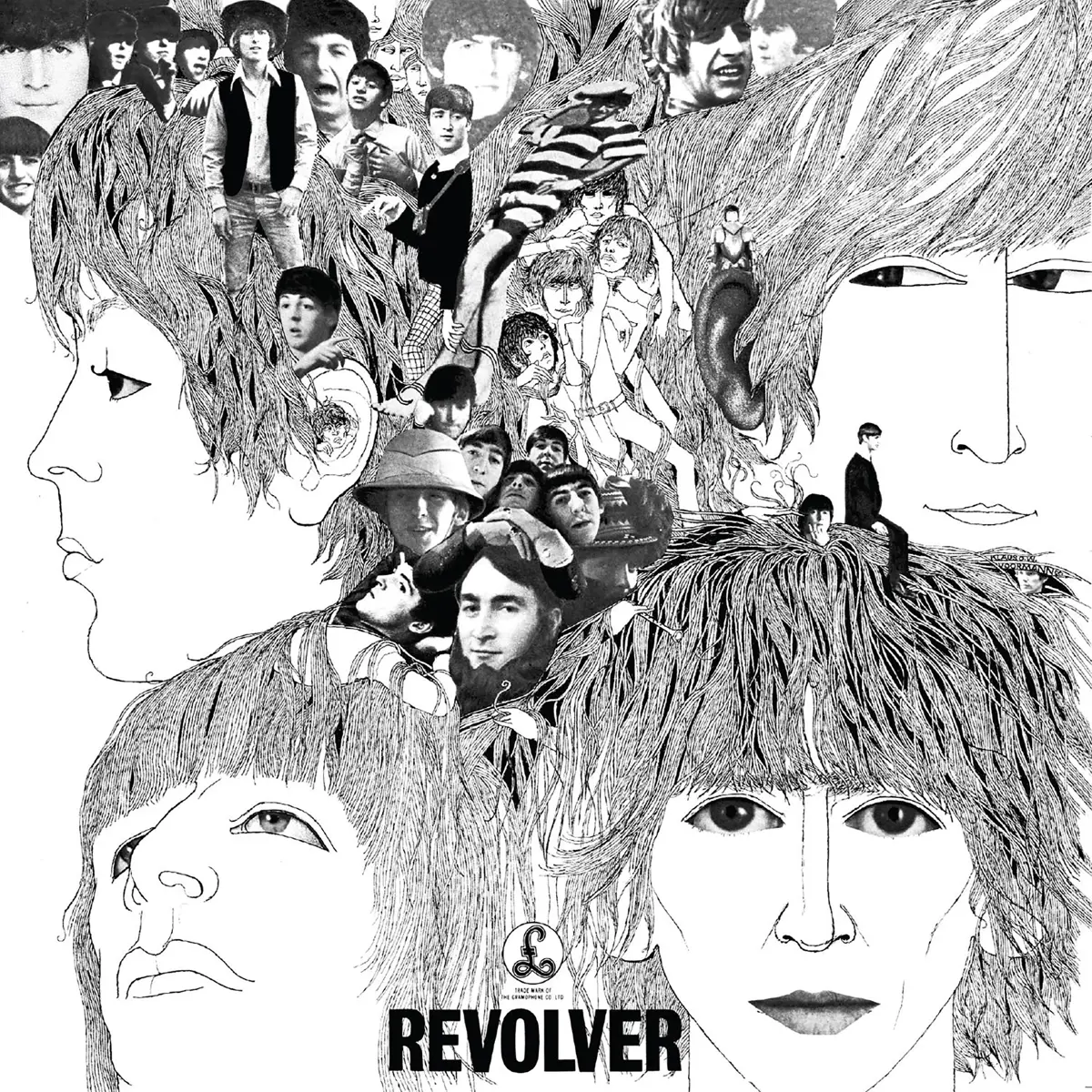
This is the lab where the Sgt. Pepper revolution was actually worked out. The breakthrough record, just before the full realization.
'Tomorrow Never Knows' is the keystone. Tape loops flown in live, backmasking, automatic double tracking, and vocals run through a rotating speaker to sound otherworldly. Most of the techniques that define our number one got their first serious workout right here, with Martin and Emerick figuring it out as they went.
So why does it rank below Pepper when it's arguably the more pivotal record? Because Revolver was the breakthrough and Pepper was the complete statement — the moment the whole album committed to the studio-as-instrument idea from front to back. One kicked the door open, the other walked all the way through.
That said, reasonable people flip these two all the time, and I won't argue too hard. If you'd put Revolver on top, I get it. Go give both a listen back to back and decide for yourself.
Frequently Asked Questions (FAQs)
What does it mean to rank albums by production?
Ranking by production means judging albums on what they did technically in the studio — the recording techniques, mixing choices, and ideas they introduced or perfected — rather than sales or critical acclaim. It's about how the record was made and how much it influenced the way other records got made afterward.
Was Thriller recorded on analog or digital?
Thriller was recorded analog first, by engineer Bruce Swedien's own choice. His reasoning was that if you start in digital you can't go back to analog, and it won't sound as good. His 'Acusonic Recording Process' wasn't a device, just the name he gave his method of chaining multitrack machines for stereo separation.
Did Pet Sounds come out in stereo?
No. Pet Sounds was released in mono in 1966 because Brian Wilson mixed it in mono. A true stereo mix didn't exist until the 1997 Pet Sounds Sessions box set. All of that layered depth and reverb was coming out of a single channel, which makes it even more impressive.
What's the difference between stems and multitracks?
Multitracks are the individual tracks — one vocal, one kick, one guitar. Stems are submixes, where related tracks are grouped and bounced together, like all the drums into one stereo file. People mix these terms up constantly, and it matters when you're talking about how records like these were actually built and routed.
Which album invented sampling in hip-hop?
No single album invented sampling in hip-hop — it existed before any of these records. What Public Enemy's It Takes a Nation of Millions did, with Bomb Squad production, was perfect the dense sample collage: stacking many samples into something new rather than looping one break. That's the innovation, not sampling itself.
Final Thoughts
What ties all ten together is simple: the people making them weren't waiting for better gear. They figured out what they wanted the record to sound like, then bent whatever they had until it got there. Tape loops on mic stands, Coca-Cola cans, four tracks, a rotating speaker — the ideas did the heavy lifting.
That's the real takeaway if you're making music today. Your plugins are plenty good. The question is never whether your tools are fancy enough — it's whether you've got a clear idea worth chasing. If you want more lists built this way, we did the same thing with the greatest vocalists ranked by technique. Now go put one of these on and really listen to what's happening in the mix.
Some of the links within this article are affiliate links. These links are from various companies such as Amazon. This means if you click on any of these links and purchase the item or service, I will receive an affiliate commission. This is at no cost to you and the money gets invested back into Audio Sorcerer LLC.