The best guitar solos of all time aren't great because they're hard to play. They're great because tone, phrasing, and timing line up at the same moment. Speed is a nice party trick. It's rarely the reason a solo sticks with you for forty years.
So what actually makes one land? Is it melodic precision, improvised abandon, or the ability to say something wordless with six strings? The honest answer is any or all of the above — different solos get there different ways.
Here's how we're doing this. Each solo gets broken into three parts: the tone chain, the phrasing choice, and the exact moment it lands. A beginner should learn something. A pro should nod. Let's give it a listen.
TABLE OF CONTENTS
How we're ranking these
We're not ranking by fame or chart position, and we're not pretending there's a definitive order. Rankings differ wildly. Guitar World and Rolling Stone don't even agree on the top few, and reader polls tell a different story again.
Instead, we're ranking by how well each solo uses its three ingredients: tone, phrasing, and where it sits in the song. That's the stuff you can actually learn from.
One tension worth naming up front: some of these were composed note-for-note, and some were improvised in a couple of takes. Both approaches can produce something great, for totally different reasons. We'll point that out as it comes up.
1. Comfortably Numb by Pink Floyd
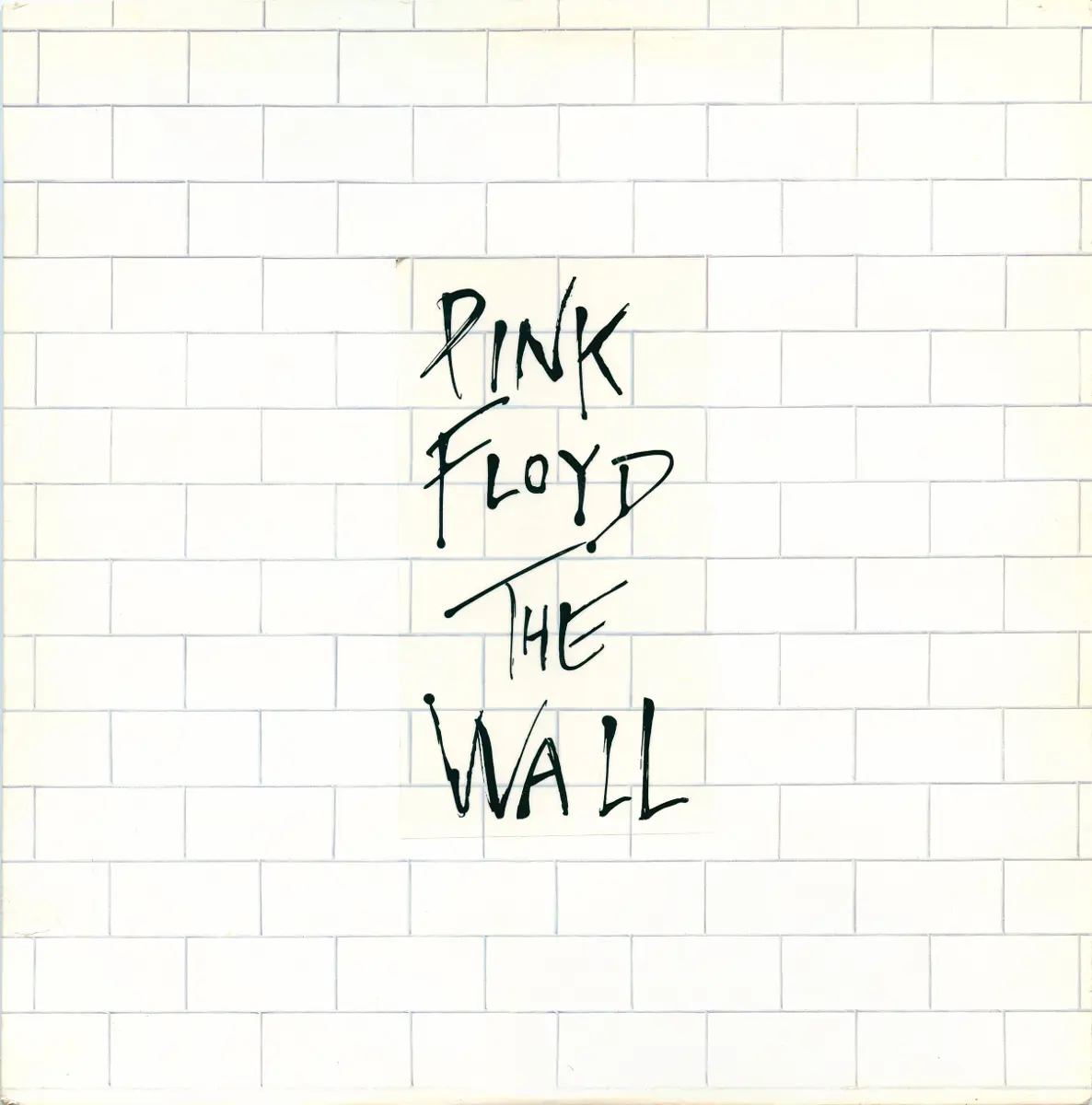
Gilmour's outro solo is the clearest proof that phrasing beats note-salad. The tone chain starts with his black 1969 Strat and its hot DiMarzio FS-1 bridge pickup, run into a Hiwatt half stack in parallel with a Yamaha RA-200 rotating speaker. That rotating speaker is the under-credited secret sauce. Add a Ram's Head Big Muff with a booster to open it up, then a clean digital delay at the end for all that wet space.
The phrasing is almost entirely B minor pentatonic — basically one scale shape. The focus is repetition and building momentum, not showing off. His wide bends, a tone and a half up to two tones, add the spice. He develops ideas by taking similar phrases and making tiny alterations.
The moment hits around 4:30. He jumps to a higher register and the solo tells a story that ends at its most fiery point. Worth correcting a myth: this was written in advance, not improvised, and his thumb-picking colors the notes. The gear alone won't get you there. Less is more, literally.
2. Stairway to Heaven by Led Zeppelin
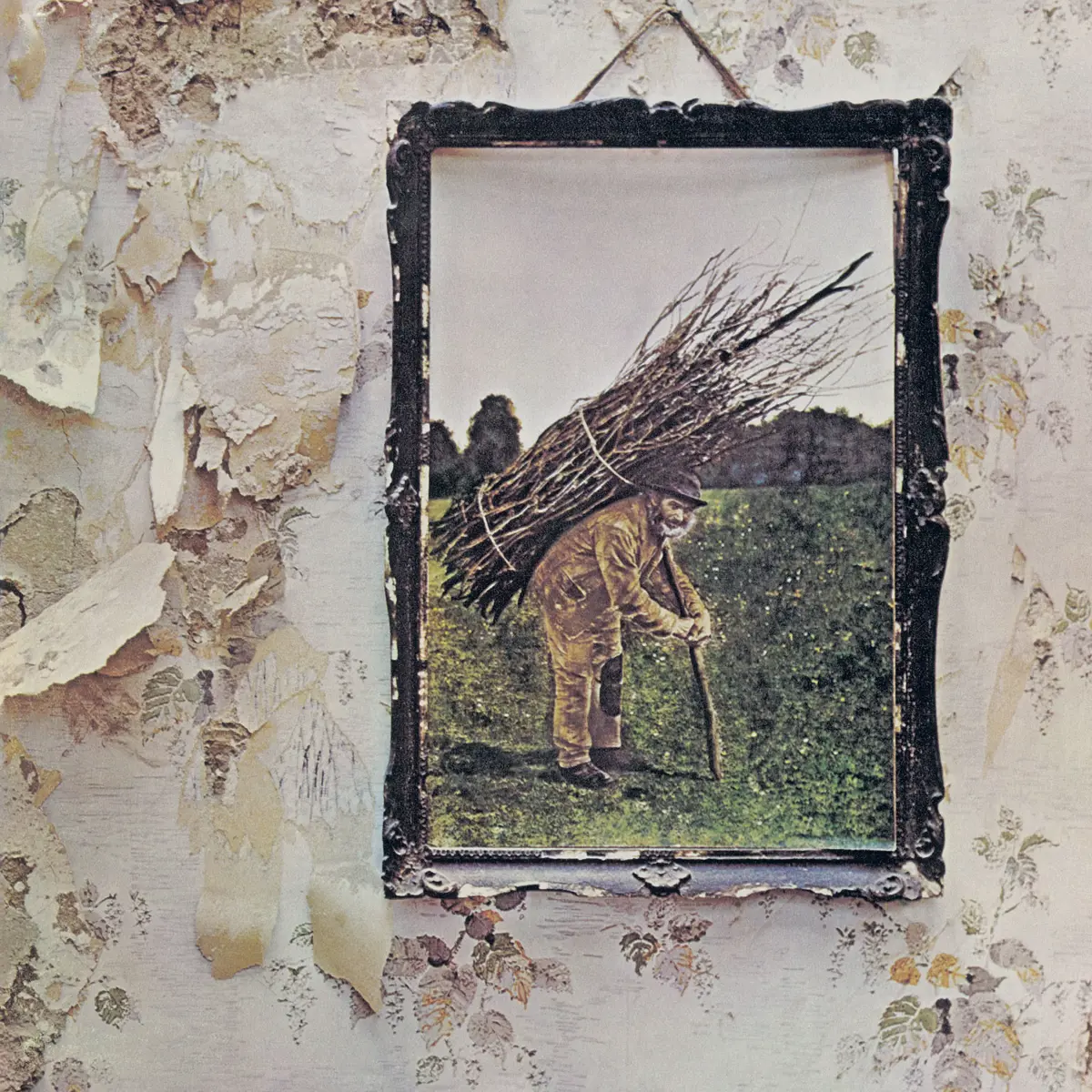
For the solo, Page reached past his Les Pauls for the Telecaster Jeff Beck gave him — the same magical guitar from the first album — to get that bite. It ran into a modified 1959 Supro, and it sounds like there's no pedal on the recording at all. Just guitar and amp.
The phrasing sits on A minor pentatonic. He opens with a fairly unremarkable blues lick that sets the theme, then just lets fly. The moment arrives around 5:35 with a big strummed open-D move — the hinge between the gentle first half and the climax.
Here's the big one, and it's the whole thesis of this post: the solo was improvised. It took two or three short takes, mostly stream of consciousness, with Page reportedly nervous that day. Put that next to Gilmour's fully composed approach and you've got two legendary solos built by opposite methods. One footnote — the Spirit "Taurus" dispute is about the intro figure, not the solo. Don't conflate them.
3. Eruption by Van Halen
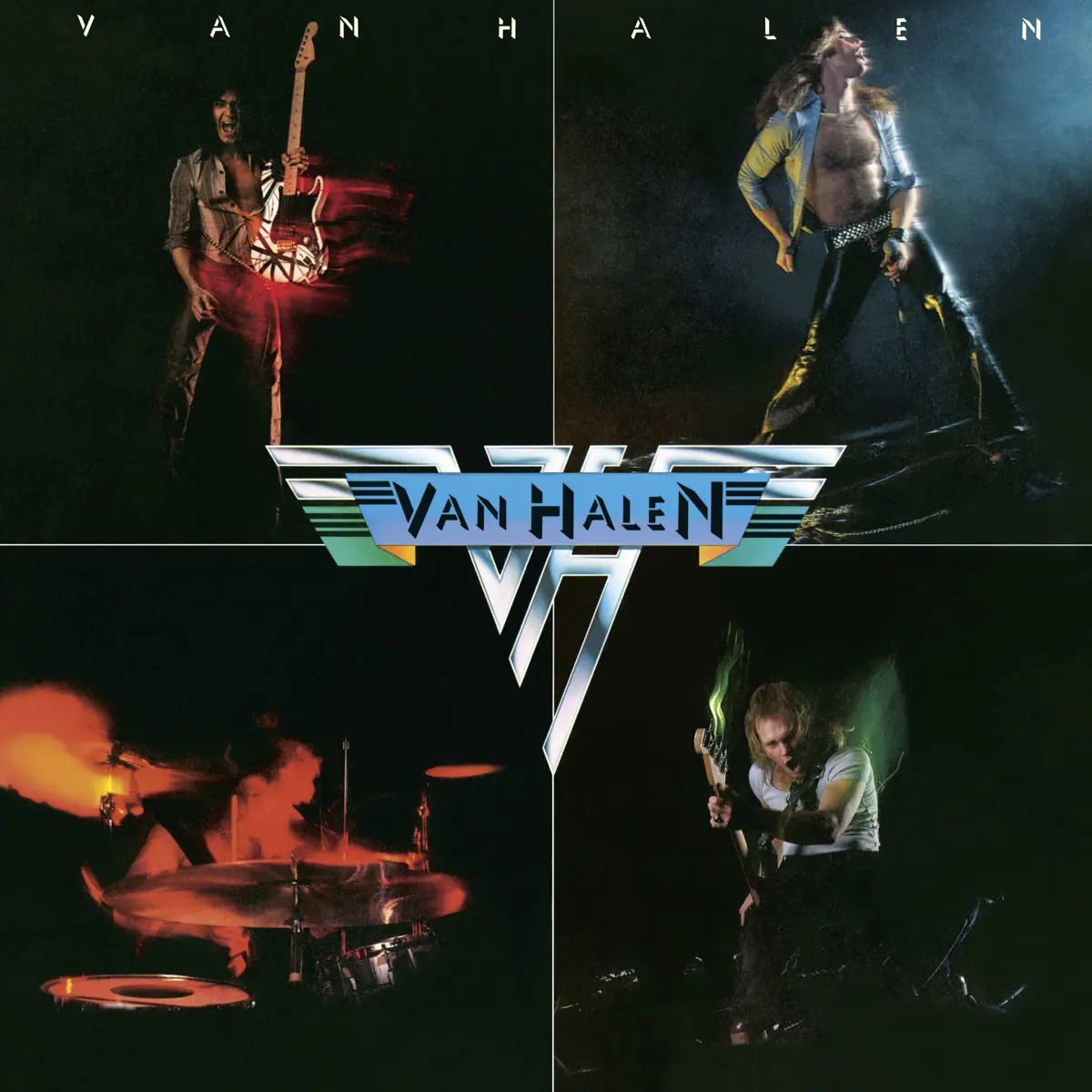
The brown sound starts with the home-built Frankenstrat — a PAF humbucker, no tone or volume controls — into a modified Marshall Super Lead Plexi. The defining trick is the Variac dropping voltage to around 89V so the power tubes sag and compress. That's where the smoother saturation and singing sustain come from. An MXR Phase 90 colors the tapping section.
Technique is the whole show here. Two-handed tapping gives it that legato flow with no pick attack, and around it you get dive bombs, tapped harmonics, volume swells, and tremolo picking. Under the speed there's real musicality — that's the part people miss when they only hear the fireworks.
The whole 1:42 is the moment. Two myths worth fixing: Eddie popularized tapping but didn't invent it, and this nearly wasn't recorded as a piece at all. It grew out of a live warm-up, and he thought he'd made a mistake on the take. If you want the full story, the background on Eruption is a good read. The hand technique matters more than the gear.
4. Sweet Child o' Mine by Guns N' Roses
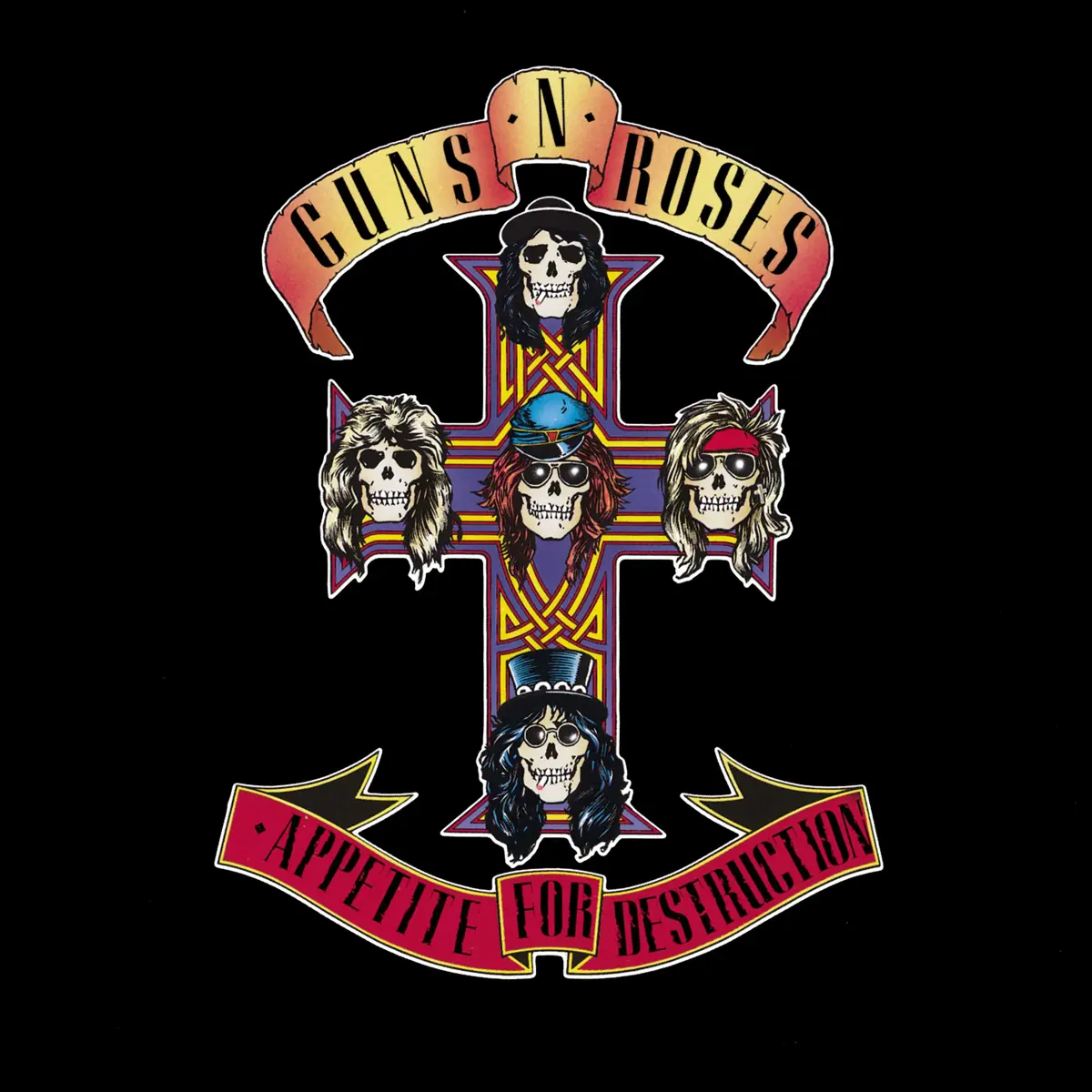
Slash's tone here is a clinic in warmth. The Kris Derrig Les Paul replica from the Appetite sessions, loaded with Seymour Duncan Alnico II Pro humbuckers, ran into a Marshall JCM800. The key move is favoring the neck pickup for that round, vocal "woman tone." That's half of why the solo feels like it's singing rather than shredding.
The phrasing is the other half. It's melodic and singable, built on bluesy bends that climb. You can hum this solo back after one listen, which almost no flurry of fast notes can claim.
The moment is the key change lift near the end. It opens the whole thing up and gives the solo somewhere to go, right when it needs it. Warm neck-pickup tone plus singable phrasing — that's why it works. It's a solo that serves the song instead of hijacking it. If you want to go deeper on players who built careers on choices like this, our breakdown of the greatest guitarists of all time, ranked by tone covers more of them.
Frequently Asked Questions (FAQs)
What makes a guitar solo great?
A great guitar solo comes from tone, phrasing, and timing working together — not from being hard to play. The best ones develop an idea, sit in the right spot in the song, and sound like a voice. Speed is optional. Saying something is not.
What's considered the greatest guitar solo of all time?
There's no single answer — it's subjective, and the experts disagree. Guitar World has put Page's "Stairway to Heaven" solo at the top, while "Eruption" lands near the top on Rolling Stone's list. Critics and reader polls rarely line up, so trust your own ears.
Was the Stairway to Heaven solo improvised?
Yes, the "Stairway to Heaven" solo was improvised, captured in two or three short takes. Page described it as a stream of consciousness rather than a worked-out, written part. That spontaneity is a big reason it feels like it's flying instead of being labored over.
Did Eddie Van Halen invent tapping?
No, Eddie Van Halen didn't invent two-handed tapping — he popularized it with "Eruption." The technique existed before Van Halen, but Eddie's take made it a household sound and sent a generation of players to the fretboard trying to copy it.
Do you need the exact gear to get these guitar tones?
No, you don't need the exact gear to get close to these tones. Technique and phrasing carry far more than the hardware — Gilmour's thumb-picking colors his notes more than any pedal. And modern plugins get you remarkably close to those amps now anyway.
Final Thoughts
Pull these four apart and the same lesson keeps showing up. The tone sets the mood, the phrasing says the thing, and the timing makes it land. Gilmour wrote his to the note, Page made his up on the spot, and both are legendary — so there isn't one right path here.
So go study the phrasing, not just the gear list. Make sure you learn the bends and the spacing before you chase the exact pickup. If you want more of this kind of breakdown, we did the same thing for the greatest vocalists, ranked by technique and the greatest drummers, ranked by feel.
Some of the links within this article are affiliate links. These links are from various companies such as Amazon. This means if you click on any of these links and purchase the item or service, I will receive an affiliate commission. This is at no cost to you and the money gets invested back into Audio Sorcerer LLC.