This is a list of the best singers of all time ranked by technique — not fame, not record sales, not how many times a song went viral. Just the voice itself and what it can actually do.
We're judging five things: vocal range, register control, timbre, breath and phrasing, and how the voice was actually captured on record. That last one matters more than most lists admit. A great singer in front of the wrong mic is a missed opportunity, and a few of the people here were as good at working the microphone as they were at hitting the notes.
Fair warning — we're going to bust a couple of range myths along the way. Some of those big round numbers you've seen everywhere don't hold up when someone actually measures them. Let's get into it.
TABLE OF CONTENTS
How we ranked these vocalists
Ranking voices is subjective by nature, so let's be clear about what we're measuring. These are the pillars, and I'll define the vocab a beginner needs without boring anyone who already knows it.
- Vocal range — the span from a singer's lowest note to their highest, usually counted in octaves. A note like F2 is low; G7 is way up there.
- Register control — the ability to move between chest voice, mixed voice, head voice, and falsetto without an obvious crack. The spot where those registers meet is called the passaggio, or "the break." Smoothing it out is a skill.
- Timbre — the tonal fingerprint of a voice. It's why you know who's singing in two notes.
- Breath support and phrasing — how a singer manages air, times their lines, and shapes a melody.
- Recorded capture — mic technique, plosive control, and what the engineer did to get the voice on tape.
You'll notice I keep pushing back on inflated range numbers. Big round figures get repeated until everyone treats them as fact, so where real measurement exists, we'll use it. There's no single right answer here. Trust your own ears and disagree with me freely.
1. Mariah Carey
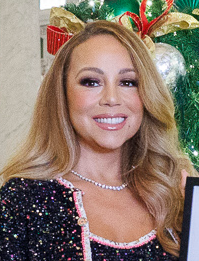
Mariah has the widest documented range among major pop vocalists — roughly F2 to G7, over five octaves. The exact top note shifts a bit depending on the source, so treat it as approximate, but even the conservative read is staggering.
Here's the thing, though: she's number one for control, not just reach. Plenty of singers can squeak out a high note. Mariah's melismatic runs — those fast, cascading note-to-note phrases — are among the quickest and most accurate in pop. She lands them clean at speed, which is the hard part.
The real technical marvel is her whistle register. That's the highest, flute-like register humans can produce, and it's the least understood physiologically — nobody fully agrees on how it works. Where most singers have an audible seam between head voice and whistle, Mariah glides across it like the break isn't there. Listen to the top of "Emotions" and you'll hear it: no gearshift, no strain, just up and out. Reach gets the headlines. Control is why she's first.
2. Freddie Mercury
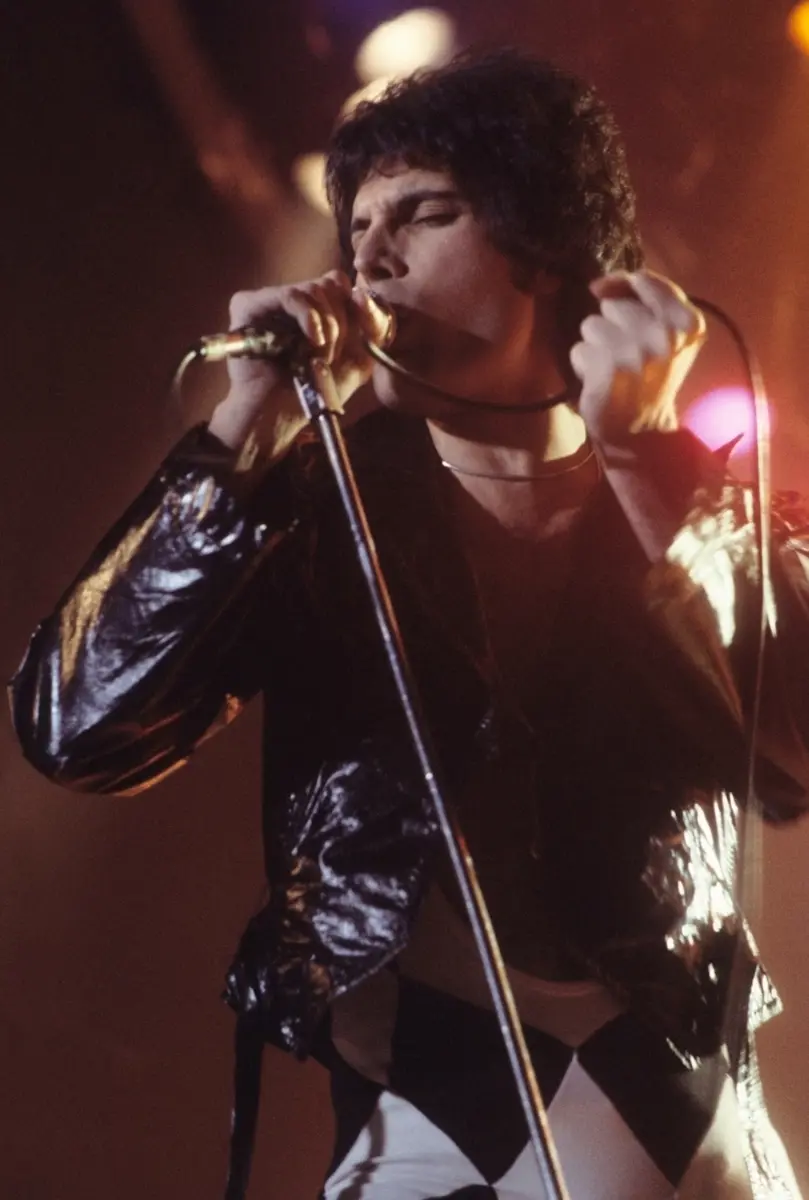
Time to bust the biggest myth on this list. You've seen Freddie's range quoted as F2 to F6 — a clean four octaves. The science says otherwise. A peer-reviewed study (Herbst et al., 2016) analyzed isolated vocal tracks and found about 37 semitones, roughly F#2 to G5 — just over three octaves.
He was a trained baritone, with a median speaking pitch around 117 Hz, who taught himself to sing like a tenor. His greatness was never raw range. It was what he did inside it. His vibrato clocked around 7 Hz — fast enough to brush up against the territory of vocal tremor — and that irregular shimmer is a huge part of his signature sound.
Even wilder: high-speed video caught him engaging his ventricular, or false, vocal folds for grit, the same trick used in throat singing and metal growls. And no, the four extra teeth didn't give him his range — mouth shape helps you reach high notes with ease, but it doesn't set the pitch. For the full rundown, the Freddie Mercury overview is a solid start.
3. Whitney Houston
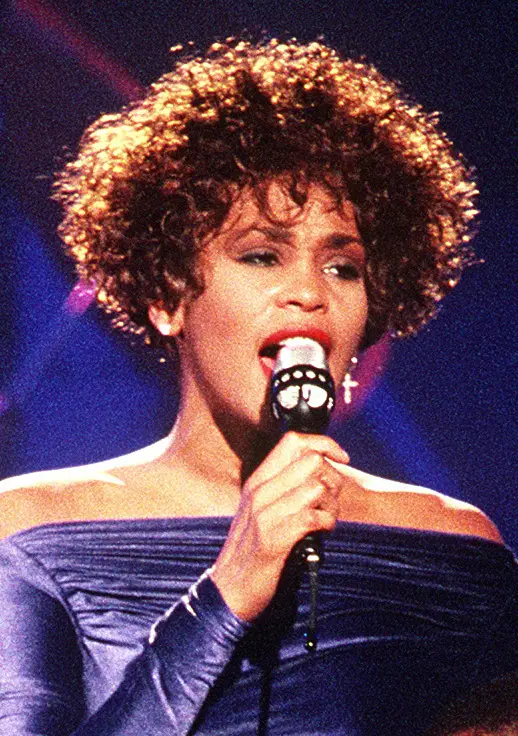
Whitney sits here for concentrated power and clean register transitions, not extreme range. Her documented span runs about A2 to C6 — just over three octaves. You'll see four octaves floating around online, but the actual note figures don't reach it, so chalk that up to a popular round-up rather than a measurement.
She was a spinto soprano with a powerful mezzo quality, and her real strength lived in the upper mid-range belt, right around A4 to D5. That's where the gospel-rooted phrasing, the melisma, and those sustained ballad climaxes all land.
Quick correction on belting, since it trips people up: belting isn't chest voice shoved upward. It's controlled breath support and fold contact that keeps chest resonance ringing above the passaggio. That's the difference between powerful and strained. The whistle-register claims are contested — careful analysis says her highs came from head voice and those monster belts, not whistle. "I Will Always Love You" is the case study. That key change isn't a trick. It's technique holding steady under enormous load.
4. Frank Sinatra
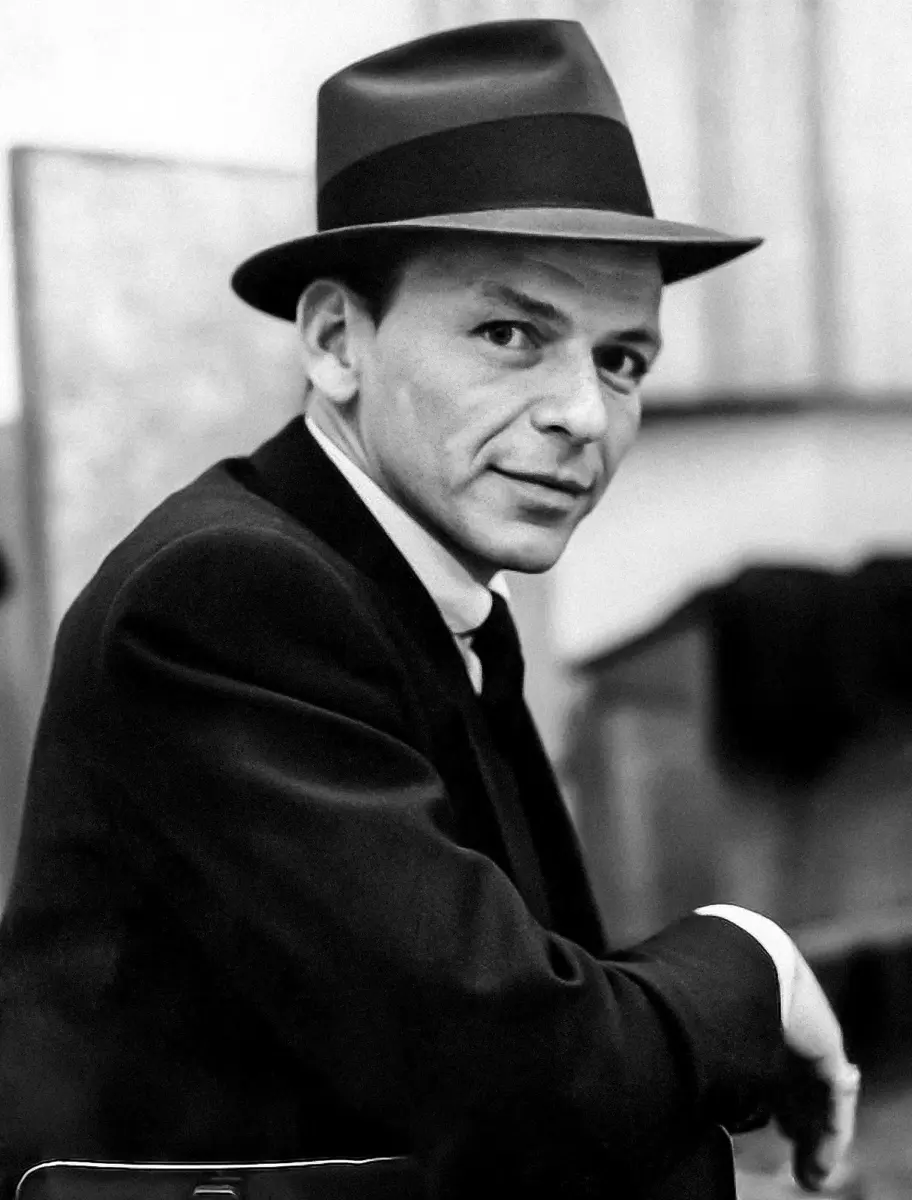
If you want the clearest link between singing and engineering, it's Sinatra. He was among the first generation to grow up with the microphone, and that changed everything. Amplification let singers go soft and intimate — that's where crooning comes from, a style that leans entirely on how sensitive the mic is.
He treated the mic as an instrument. Those impossibly long single-breath phrases were inspired by Tommy Dorsey's trombone. He'd bend words ahead of or behind the beat and make it all sound casual, when it was actually ruthless technique.
Here's the detail every engineer loves. In a 1965 session he told the engineer to watch for P popping, calling himself a "sneaky P popper." The result: in his entire recorded body of work, you won't hear him pop a consonant — no pop filter required. That's mic discipline most of us need a foam shield to fake. He's associated with the Telefunken U47, though treat that as gear lore more than gospel. Arranger Nelson Riddle said his early voice sounded like a violin and his later voice like a viola. Less is more, and Frank lived it.
5. Aretha Franklin
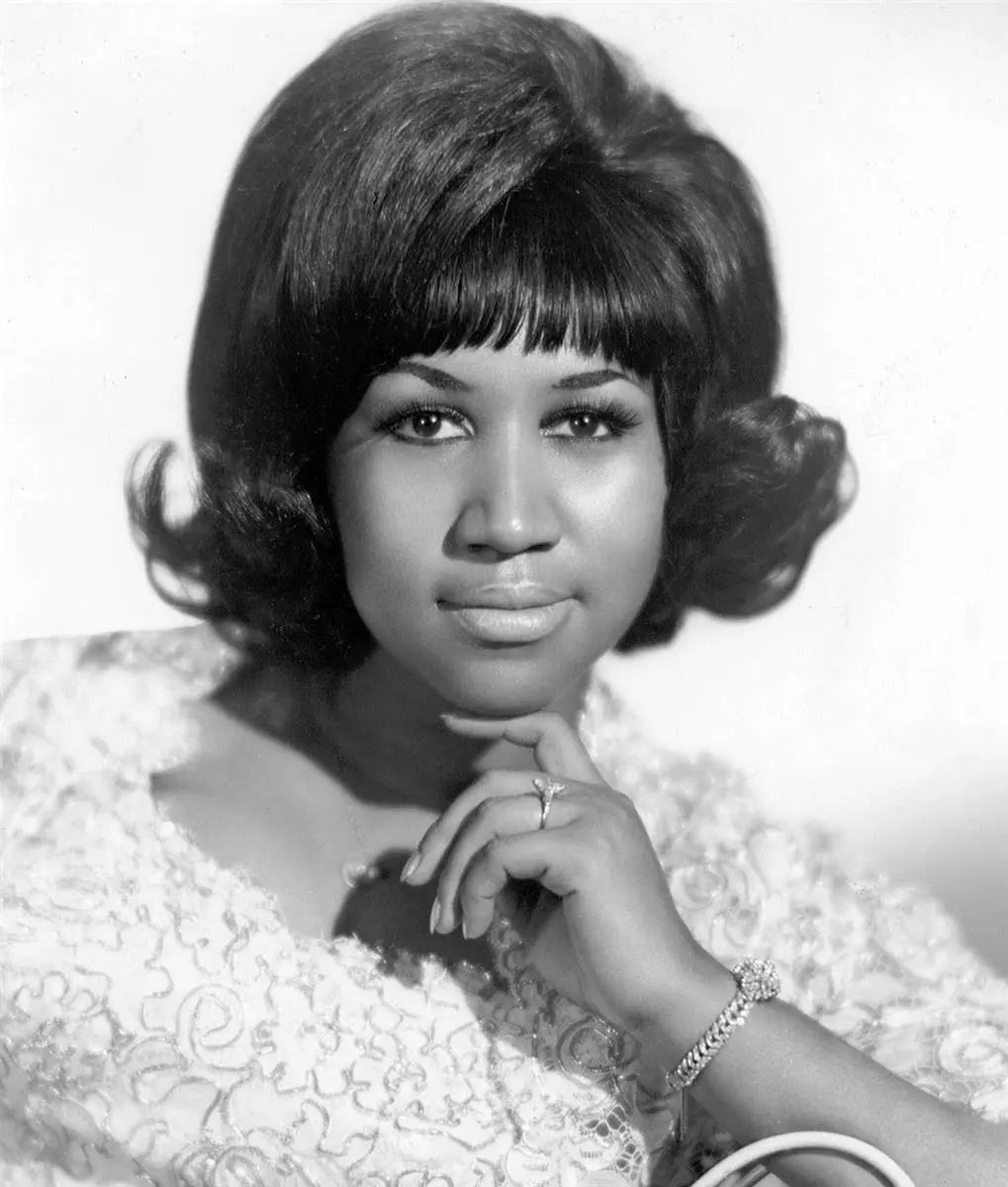
Aretha's technique is command — of dynamics, of phrasing, of exactly where to place a note emotionally. Raw range isn't the headline with her. Control and interpretation are.
Listen to how she moves between a full chest belt and a controlled head voice, sometimes inside a single line. Her improvisational melisma is gospel to the bone, but what sells it is the breath support underneath. The air never runs out at the wrong moment, which is why the big notes feel inevitable instead of effortful.
The most underrated part of her technique is restraint. She knew when to pull back so the climax actually hit — less is more, in practice. On "Respect" and "(You Make Me Feel Like) A Natural Woman," her timbre reads as pure power without a hint of strain. That's not accident. That's a singer who understood that timing and placement beat volume every time.
6. Stevie Wonder
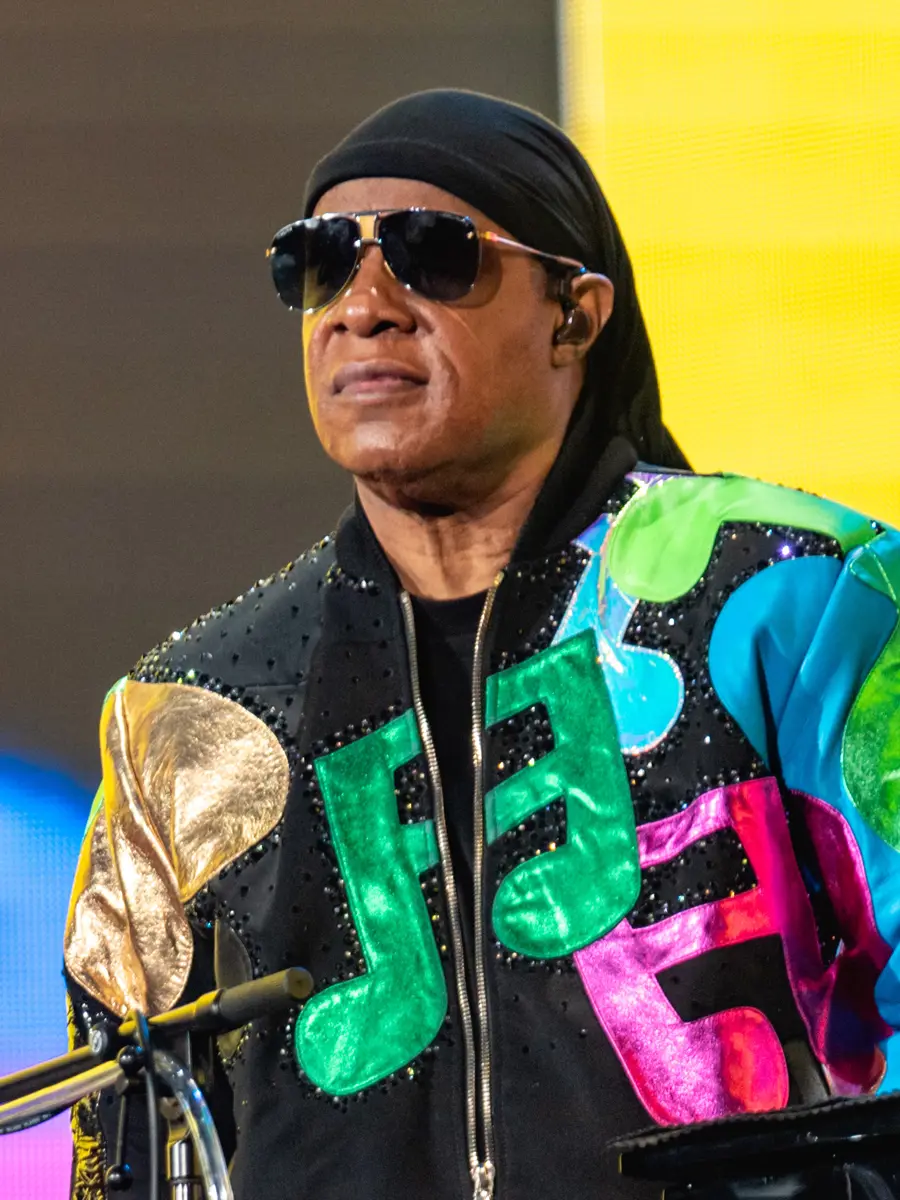
Stevie earns his spot on pitch accuracy, agile phrasing, and how effortlessly he lives in mixed voice. Mixed voice is a muscular blend of chest and head right at the bridge — the passaggio — that gives you a smooth, connected sound instead of a jarring flip.
Most singers have to manage that transition carefully. Stevie glides across it with no audible seam, which is why his runs feel so free. He'll leap an interval and land dead in tune without ever sounding like he changed gears.
Then there's his rhythmic phrasing. He sings around the beat the way a great drummer plays around it, pushing and pulling the timing to make a line swing. Listen to "Superstition" or "I Wish" — the warmth of his timbre plus that rhythmic snap is the whole package. Technique serving the song, never showing off for its own sake.
7. Ella Fitzgerald
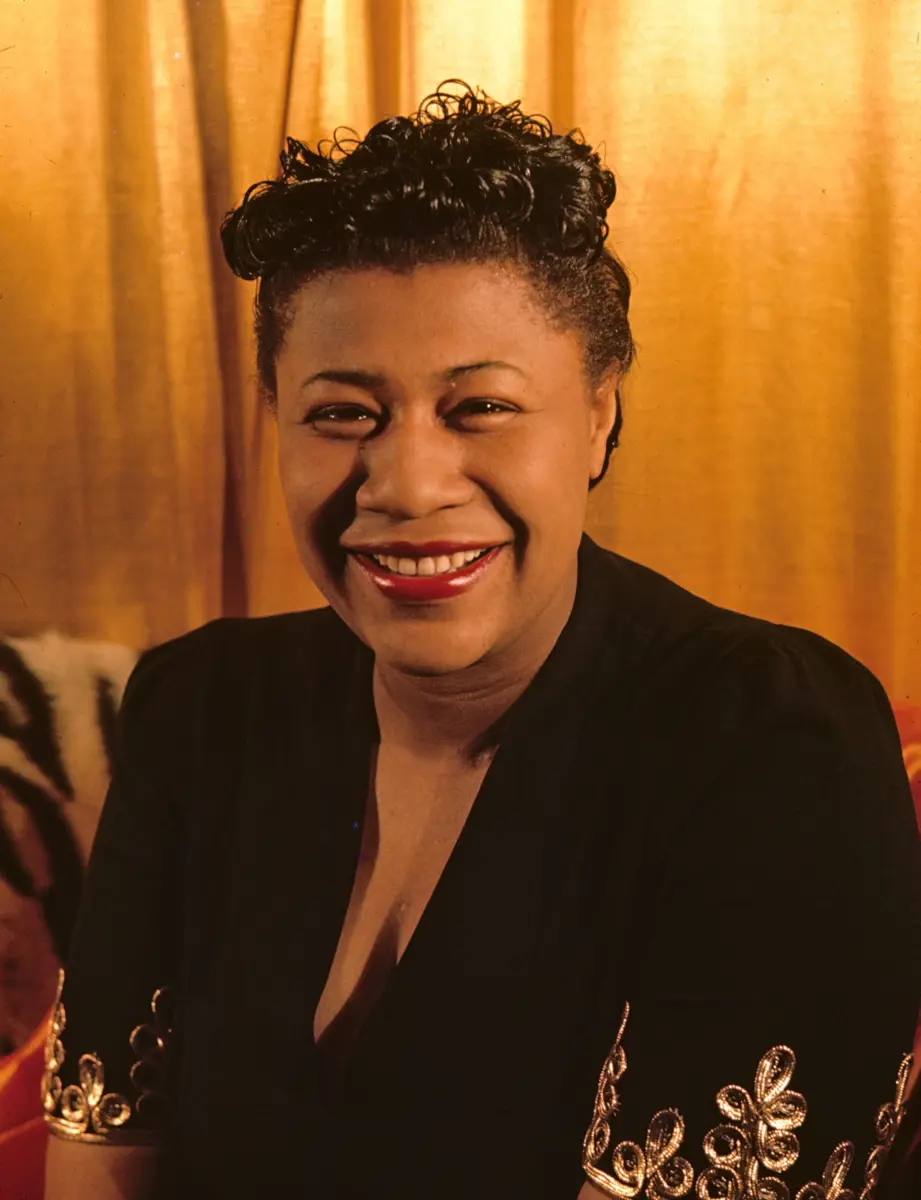
Ella's technical hallmark is accuracy under speed. Her scat improvisation would run long, fast, invented-on-the-spot lines that stayed dead in tune the whole way. That's one of the hardest things a singer can do, and she made it sound like breathing.
Her tone was pure and even across registers — no weak spots, no register she had to tiptoe around. That consistency is a big part of why her records sound so present and alive decades later.
From the engineer's chair, a clean, controlled voice like hers is a gift. There's nothing to fight: no wild dynamic swings to ride, no pitch to nudge, no harshness to tame. You put a good mic in front of it and mostly get out of the way. "How High the Moon" is the showcase — listen to the scat section and try to find a note that isn't exactly where it should be.
8. Marvin Gaye
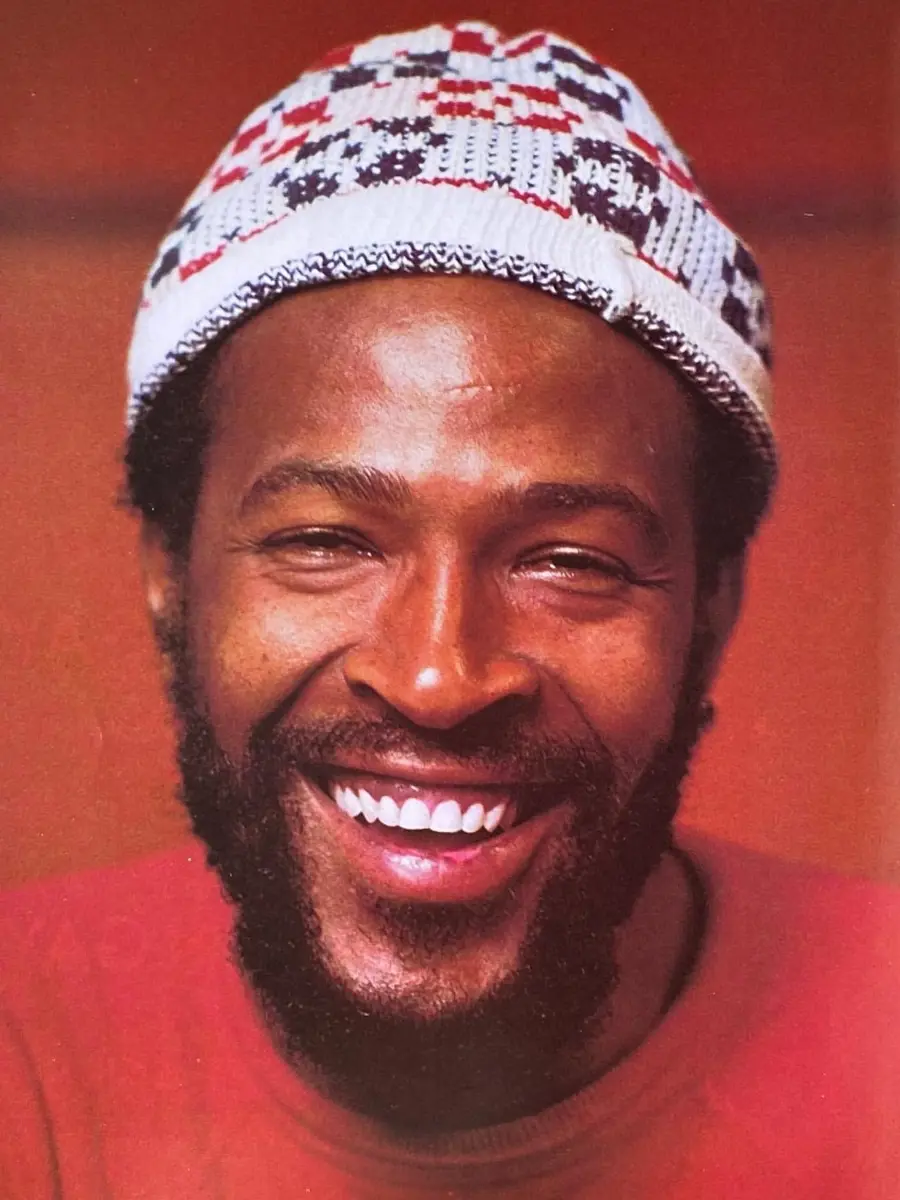
Marvin's genius was falsetto control and intimate mic technique working together. He built lush vocal stacks out of multi-tracked layers, singing harmony against himself with a soft, breathy delivery that pulls you right up close.
Quick terminology note, because it matters: those layered background parts are individual vocal takes or submixes — not "stems" in the strict sense. Stems are grouped submixes. People use the words interchangeably and it muddies real conversations about a session, so let's keep them straight.
His falsetto never felt like a party trick. He'd blend between full voice and falsetto so smoothly you'd barely notice the handoff, which is the mark of real register control. But a soft, close style like his lives or dies on the capture. You need a quiet room and a sensitive mic, because every bit of breath is part of the performance. "What's Going On" and "Let's Get It On" are built on exactly that intimacy.
9. Adele
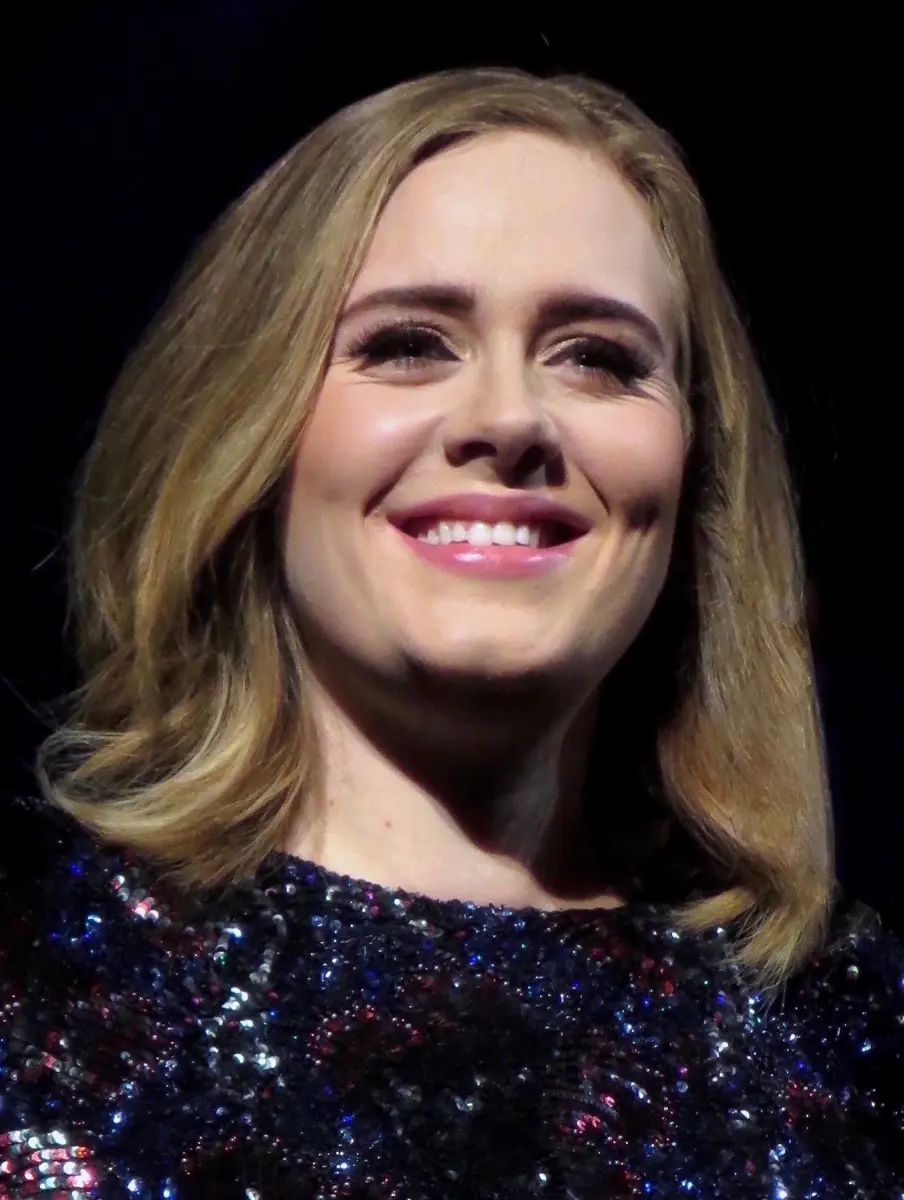
Adele is the modern benchmark for belt technique and breath control. Her power lives in a focused range — she's not reaching for five octaves — but her upper-mid belt is strong, steady, and emotionally huge. Honest take: the restraint of that range is part of why it hits so hard.
She uses breathiness and vocal fry — the M0 mechanism, that low creaky texture at the start of a phrase — as deliberate expressive tools, not accidents. And she keeps pitch locked even under heavy emotional load, which is tougher than it sounds when a song asks you to fall apart and stay in tune at the same time.
Her records lean on modern capture: close-miked, controlled dynamics, tasteful de-essing and compression to keep that intimate sound even under a big chorus. None of that is the technique, though — the technique is hers. The mixing just gets it to your ears intact. "Someone Like You" is the proof, held together by breath control start to finish.
10. Prince
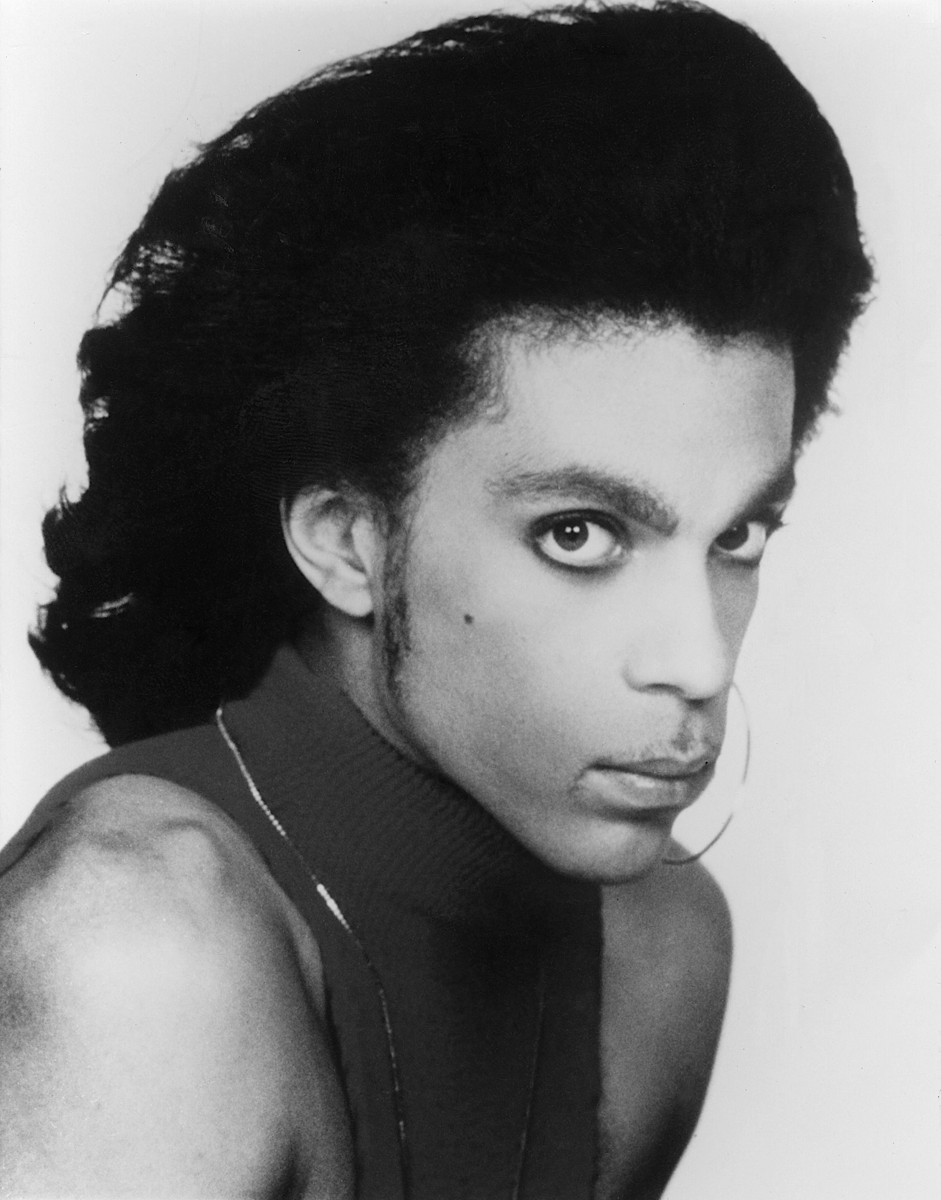
Prince rounds out the list for register range in practice. He'd jump from a low chest growl to a piercing, controlled falsetto and back, sometimes inside a single phrase, without ever sounding like he was straining to get there.
That register agility is his technical signature, paired with rhythmic, percussive phrasing — he sang like a rhythm instrument, clipping syllables and landing accents like hits. His timbre was instantly his: part scream, part whisper, always intentional.
What ties it all together is that Prince bent every bit of that technique toward feel. The falsetto on "Kiss," the full-throated belt on "Purple Rain" — different tools, same goal. That's the real point of this whole list. Technique isn't the destination. It's what lets a great singer get out of their own way and say something. If you dig this kind of breakdown, our take on the greatest guitarists ranked by tone works the same muscle.
Frequently Asked Questions (FAQs)
Who is the best singer of all time by technique?
By pure technique, Mariah Carey tops our list for her five-octave range plus the control to match it — fast, accurate runs and a seamless move into whistle register. That said, "best" is subjective. Freddie Mercury, Whitney Houston, and others have real cases. Trust your own ears.
What actually counts as good vocal technique?
Good vocal technique comes down to range, register control, timbre, breath support, and pitch accuracy. Range is how high and low you can sing; register control is moving between chest, mixed, and head voice without an audible break. Great technique means all of it works in service of the song, not as a showcase.
Did Freddie Mercury really have a four-octave range?
No. The popular F2-to-F6 four-octave claim doesn't hold up. A 2016 peer-reviewed study analyzed his isolated vocal tracks and found about 37 semitones — roughly F#2 to G5, or just over three octaves. He was a trained baritone singing as a tenor, and his real gift was expressive control, not raw reach.
Who has the widest documented vocal range?
Mariah Carey has the widest documented range among major pop vocalists — roughly F2 to G7, over five octaves. Exact top notes vary by source, so treat them as approximate. More impressive than the span is how cleanly she moves through it, especially into whistle register where most singers break.
Does mic technique really matter for great vocals?
Yes — mic technique is a huge part of a great vocal recording. Frank Sinatra worked the microphone like an instrument and never popped a consonant without a pop filter. Close-miked crooning, plosive control, and steady distance all shape the final sound long before mixing starts.
Final Thoughts
Ranking voices is always going to start an argument, and that's the fun of it. The point here wasn't to crown one winner — it was to look past the hype and the inflated range numbers at what these singers actually did. Control, breath, timbre, and how the voice got onto the record.
Disagree with the order? Good. Go pull up the songs, put on headphones, and listen for the technique instead of the reputation. That's the whole game — trust your ears. And if you liked this format, our breakdown of the greatest drummers ranked by feel is cut from the same cloth.
Some of the links within this article are affiliate links. These links are from various companies such as Amazon. This means if you click on any of these links and purchase the item or service, I will receive an affiliate commission. This is at no cost to you and the money gets invested back into Audio Sorcerer LLC.