Most "best guitarists of all time" lists rank chops and fame. Who played the fastest, who influenced the most people, who filled the biggest rooms. All fine. But that's not what we do around here.
This list ranks tone. Not technique, not legacy — the actual recorded sound that hit the tape and still holds up decades later.
Here's the thing most people miss: great recorded tone isn't one magic box. It's a system. Guitar, pickup, pedal, amp, how the power amp behaves when you push it, the room, the mic in front of the cab — all interacting at once. That's the engineer's angle, and it's what makes these tones impossible to fake by buying one pedal.
So let's give it a listen to the players whose sound you can name in a single note.
TABLE OF CONTENTS
How we ranked these tones
We're not ranking the fastest players or the most influential ones. We're ranking recorded tone — the sound as it was captured and pressed to a record.
And the big idea running through this whole list is that the magic usually lives in the interactions between stages, not in any single piece of gear. A cranked power amp sagging under load. A fuzz reacting to that saturation. A speaker that's been broken in over years of gigs. A mic placed in a big room instead of jammed against the grille. That's where the character comes from.
For each player you'll get three things: the rig, the signature sound, and the record that proves it. And remember — there's no single right tone. Trust your ears.
1. Jimi Hendrix
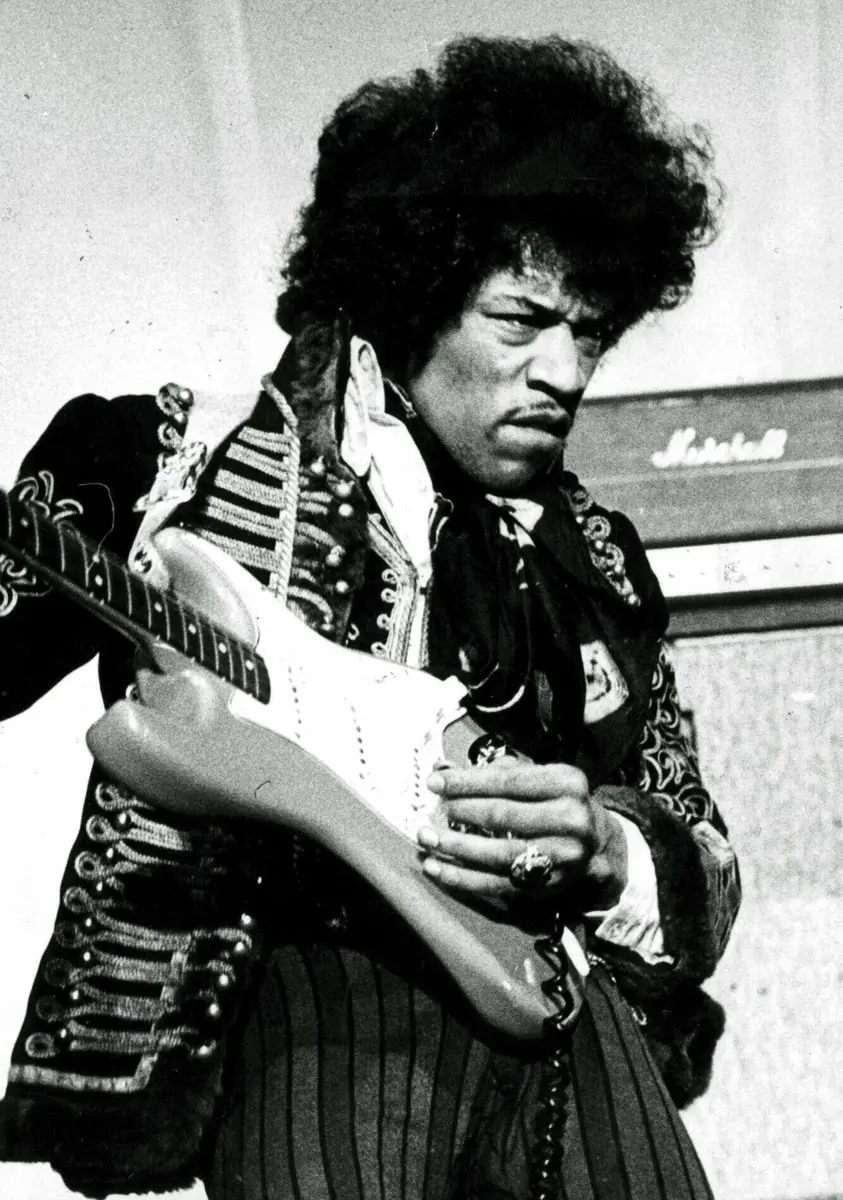
Strat into a cranked Marshall 100W Plexi, with a Fuzz Face, wah, Uni-Vibe, and Octavia along the way. The gear list matters, but it's not the whole story.
The amp was dimed — volume sitting somewhere between 7 and 10 — so the natural power-amp saturation is central, not incidental. The real magic is the Fuzz Face interacting with that fully saturated power amp. Then add his guitar's volume knob, which let him swing from near-clean to full fuzz inside a single song without touching a pedal.
One honest note on the fuzz: most tone guides cite germanium transistors as the Hendrix reference, but the Fuzz Face history says he toured with silicon versions for reliability. So the "you must have germanium" line is shakier than people claim. He also tuned to Eb standard, a half-step down.
The record that proves it: "Purple Haze" and "Foxy Lady." Raw fuzz into Marshalls, breathing with every move of his hands.
2. Eddie Van Halen
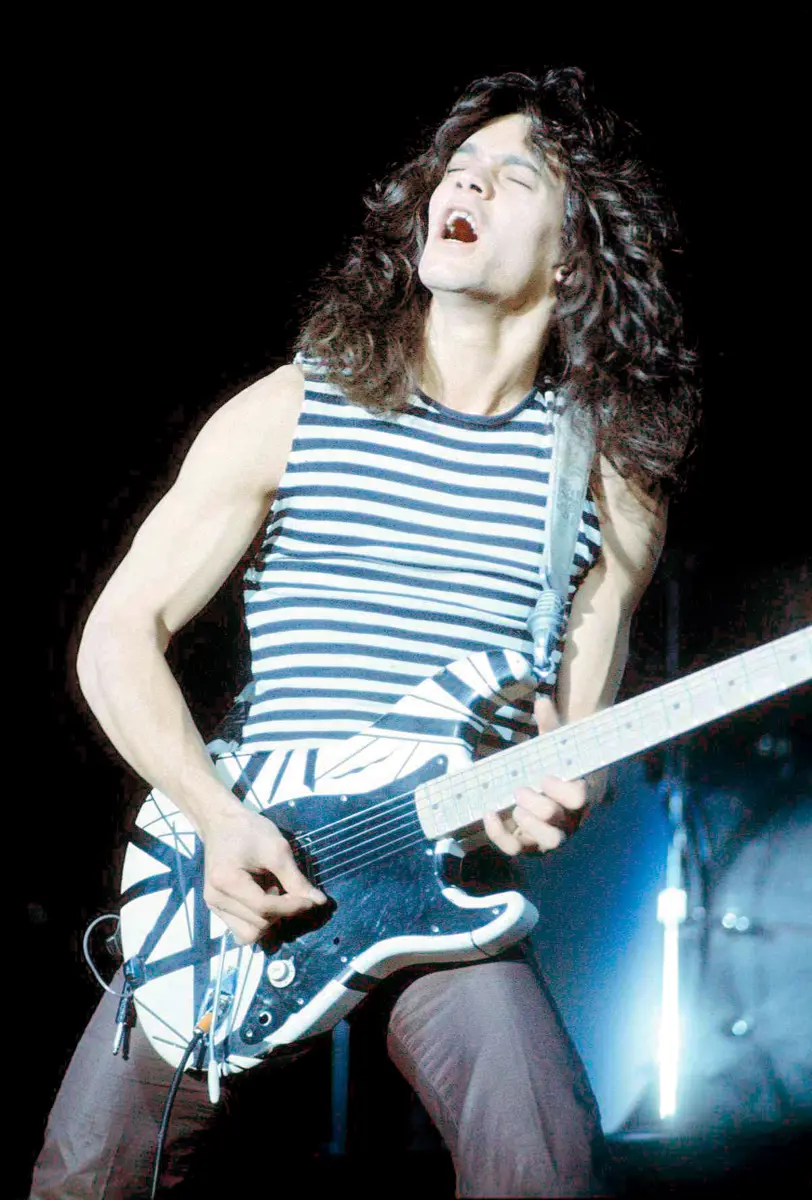
The "brown sound" is warm, slightly nasal in the upper mids, with a compressed attack and a ton of harmonic richness. Eddie's own word for it, and it fits.
The rig: the homemade Frankenstrat with a single PAF-style humbucker, into a late-'60s Marshall Super Lead. The trick everyone talks about is the Variac — a variable transformer dropping the wall voltage to the amp, often cited around 89V, though sources range higher. Lower voltage makes the power tubes sag and compress naturally. Broken-in 25W Greenbacks gave it that vocal-like midrange.
From the engineer's chair, the lesson is that this tone is dynamics plus compression plus clarity — not just piles of gain. That's why cranking a modern high-gain amp doesn't get you there.
Two myths worth clearing up. Tapping is technique, not gear. And Eddie popularized it, he didn't invent it.
The record that proves it: the 1978 debut, and specifically "Eruption."
3. David Gilmour
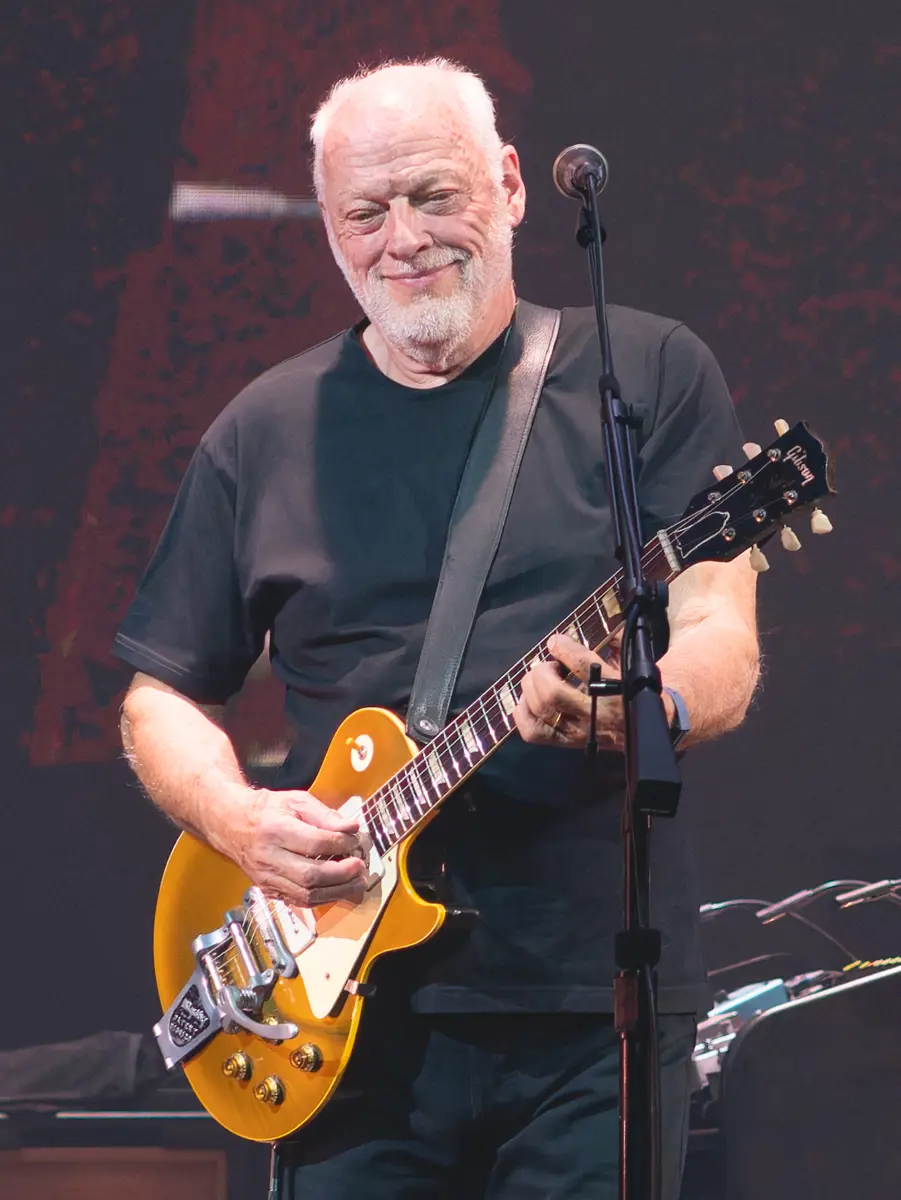
Gilmour's tone is a masterclass in restraint. Black '69 Strat into high-headroom Hiwatt DR103 heads — kept deliberately clean. The drive comes from a '70s Ram's Head Big Muff, with an MXR Dyna Comp up front, a Yamaha RA-200 rotary, and long delay doing the rest.
The single most important decision is that the Hiwatt is never pushed into its own breakup. It stays clean and piano-like, and the overdrive stacks in front of it.
The gain staging is the real trick: a strong signal up front from the hot pickup and compressor, then gain stacked at moderate levels so the sum is bigger than the parts. Less is more, and here it literally is.
One thing engineers always trip on — the Big Muff's mid scoop vanishes in a band mix. You need a mid boost after it, and don't max the Sustain. That ruins it.
The record that proves it: "Comfortably Numb" on The Wall, confirmed by producer Bob Ezrin as cut with Hiwatts and the Yamaha rotary.
4. Eric Clapton
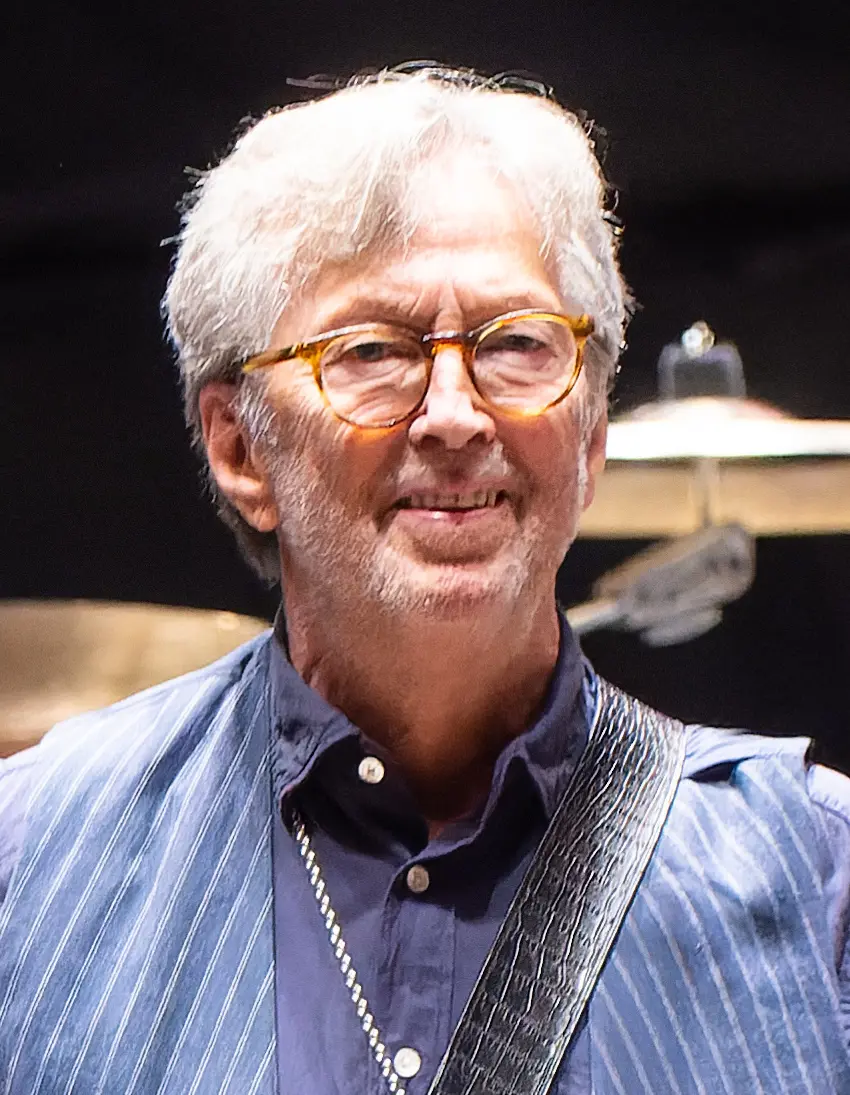
Cream-era Clapton is the "woman tone" — fierce yet warm, screaming but smooth. A '64 Gibson SG into a cranked Marshall half-stack with Greenbacks, the amp sitting right at its threshold, tone rolled way down.
A detail people skip: he plugged into the Marshall's normal channel, not the brighter high-treble channel. That pushes midrange and warmth instead of top end. Combine that with the tone knob dialed back and you get the thick, vocal lead sound.
From the engineer's side, the recorded result also owes a lot to the room and desk at Atlantic Studio back in '67. The space and the console are part of that rig whether anyone credits them or not.
Worth correcting the common assumption: Clapton equals Strat in most people's heads, but the signature Cream tone is Gibson humbuckers into Marshall. And on which pickup he used for the woman tone, sources disagree — so call it what it is, rolled dark.
The record that proves it: Disraeli Gears, "Sunshine of Your Love."
5. Stevie Ray Vaughan
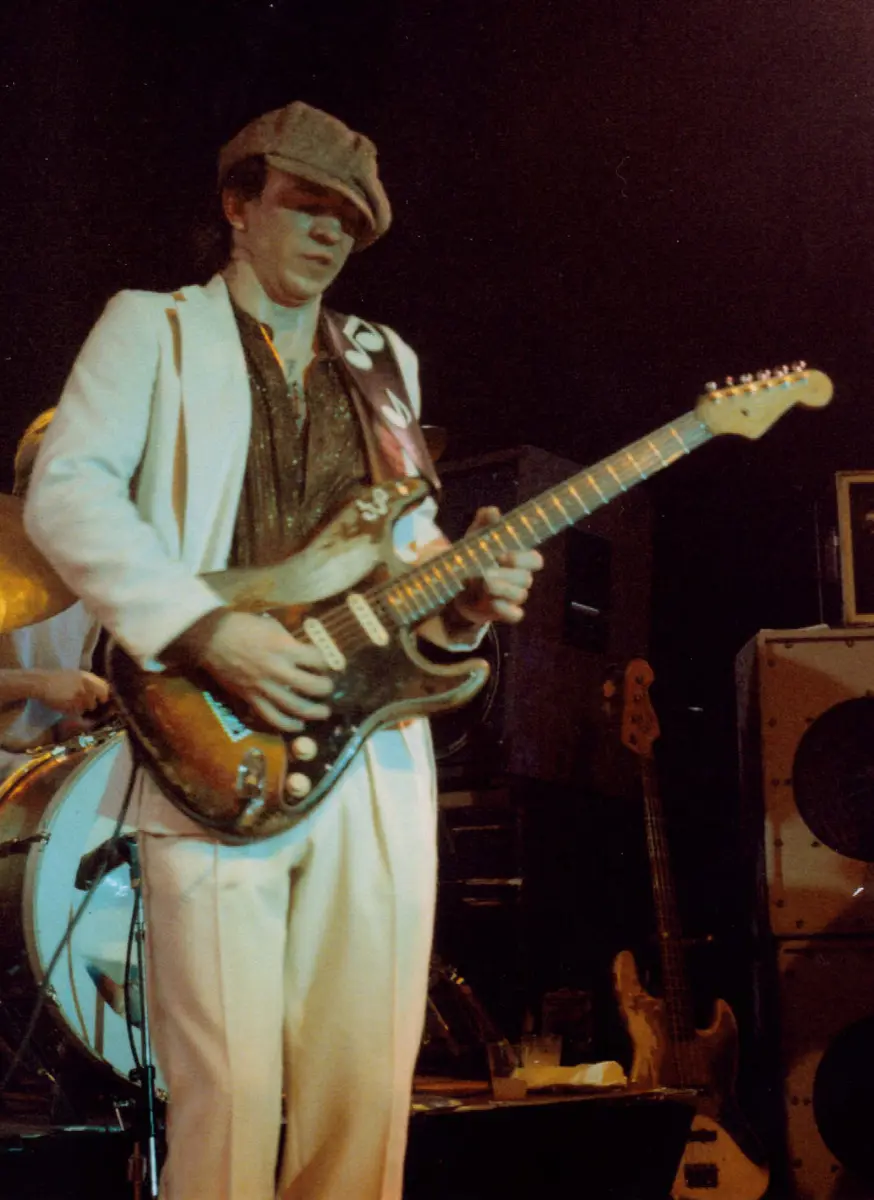
"Number One" was a parts Strat loaded with late-'50s single coils, famously strung with heavy strings and set up with high action, tuned a half-step down to Eb. That setup alone tells you where this tone comes from.
A huge part of SRV's sound lives in the hands. Heavy strings and a hard attack move a lot of air before any gear gets involved. He hit the strings like they owed him money, and the amp just passed it along.
The amp tone itself is clean-but-aggressive Fender, with the grit coming from how hard he played rather than from stacking gain. It's one of the fattest tones on this list, and the pedalboard isn't the reason.
That's the broader point here. The biggest tones usually start with the player and the instrument, not the stomp boxes. Gear can shape it, but it can't fake that physical attack.
The record that proves it: his debut-era recorded sound, where the Strat already sounds like a freight train.
6. Carlos Santana
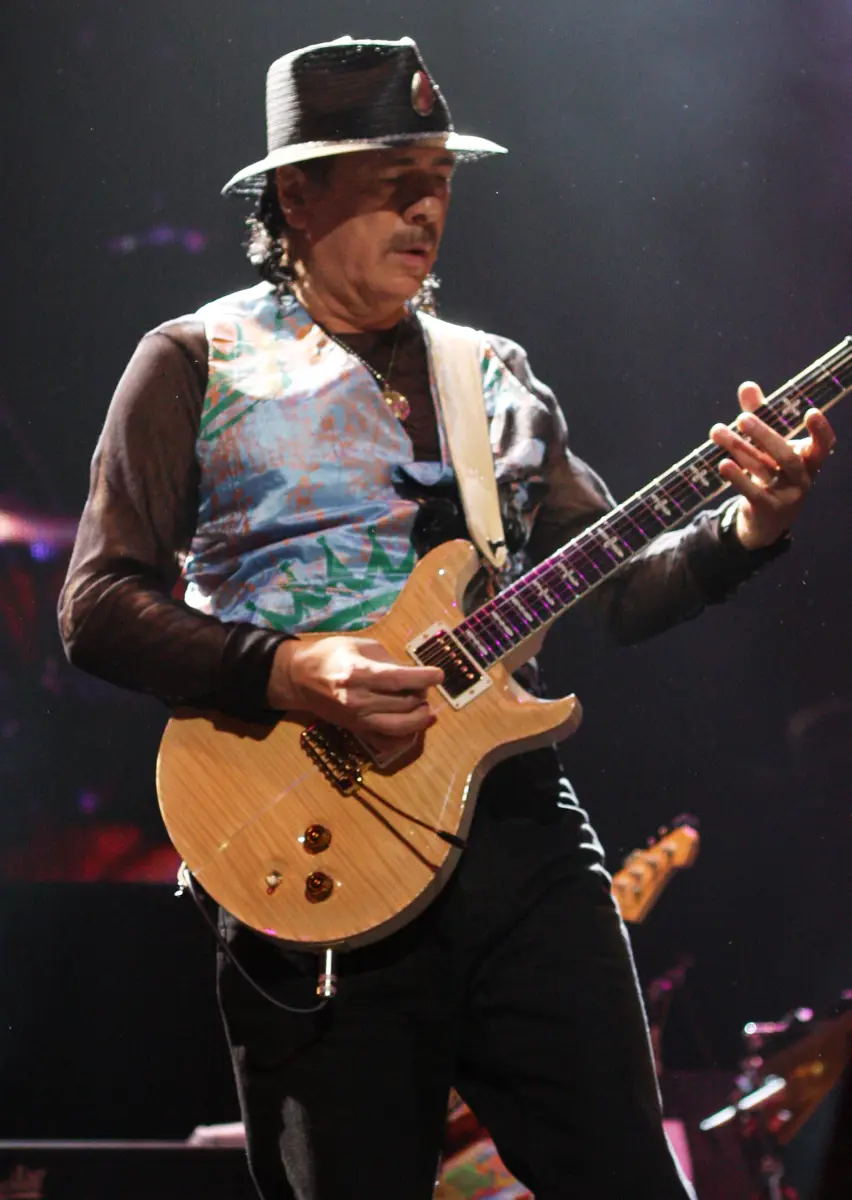
Santana's lead tone sings. Vocal-like, smooth, with sustain that seems to go on forever. Humbucker-loaded guitars into high-gain amps run hot, so every note blooms and holds.
Here's the engineer's angle on that sustain: it's not brute distortion. It comes from the guitar and amp feeding each other at volume — a controlled feedback loop where the note keeps getting re-energized instead of dying out. That's why it feels alive, almost like a bowed instrument, rather than just loud.
The midrange is where it lives. Warm and present, it sits in the mix like a second voice trading phrases with the singer. You can pick his tone out of any arrangement in about half a note.
The honest part is that you can't buy this with one pedal. It's volume, the right guitar and amp pairing, and a player who knows how to ride that feedback without it running away.
Point your ears at any of his signature sustained leads and you'll hear exactly what I mean.
7. Angus Young
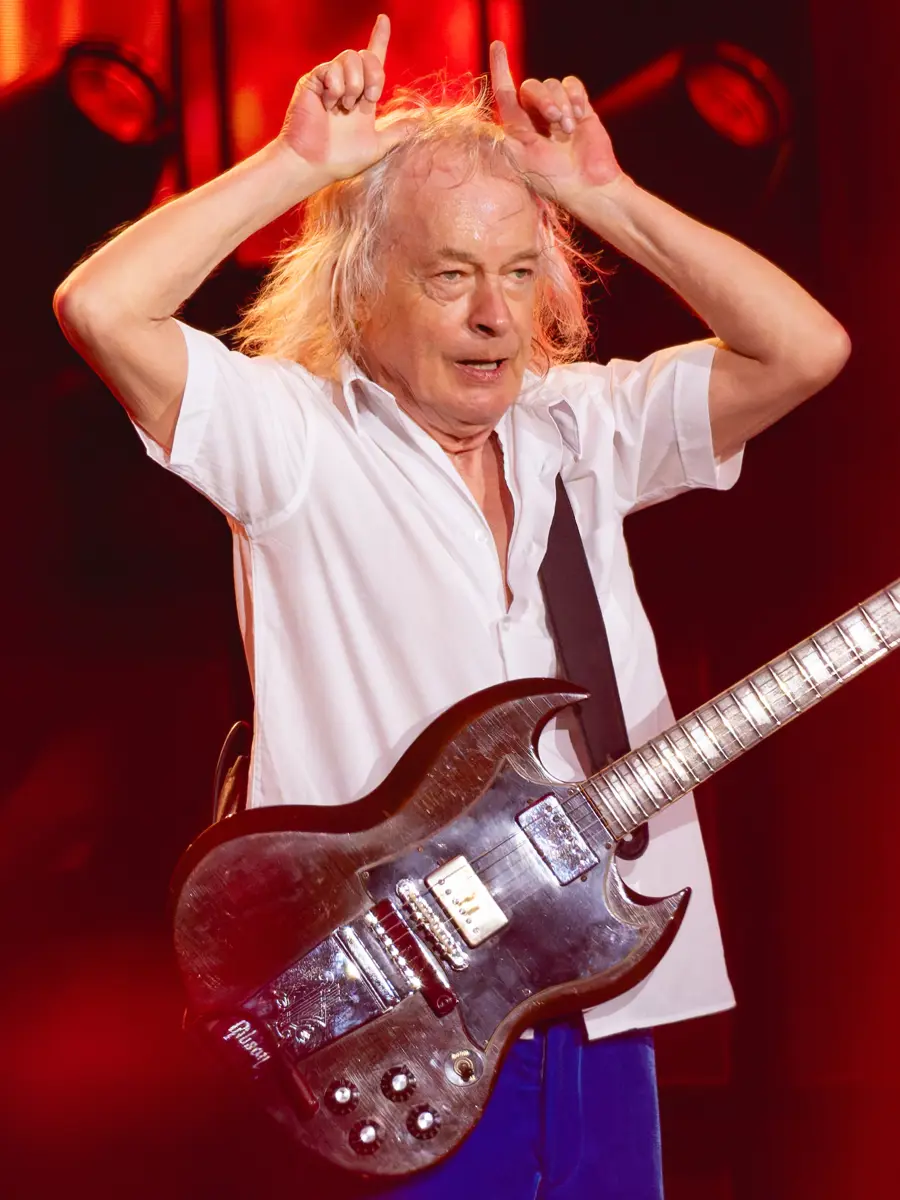
If you want proof that less is more, here it is. Gibson SG straight into cranked Marshalls, essentially no pedals in the way.
The tone is raw power-amp saturation plus a player attacking the strings with real intent. And here's the part that surprises people: the recorded gain structure is actually moderate, not a wall of fuzz. There's grit, but it's clear. You can hear the pick, the chord voicings, every bit of it.
That dryness is a feature, not a limitation. Because the tone isn't buried in saturation or washed in effects, it cuts straight through a dense rock mix without fighting the vocals or the drums. It leaves room for everything else.
From the engineer's chair, this is the cleanest example on the list of how a simple chain, pushed the right amount, beats a complicated one. No magic box. Just a good guitar, a loud amp, and someone who means it.
Point your ears at any defining AC/DC rhythm track and lead, and the clarity is the whole story.
8. The Edge
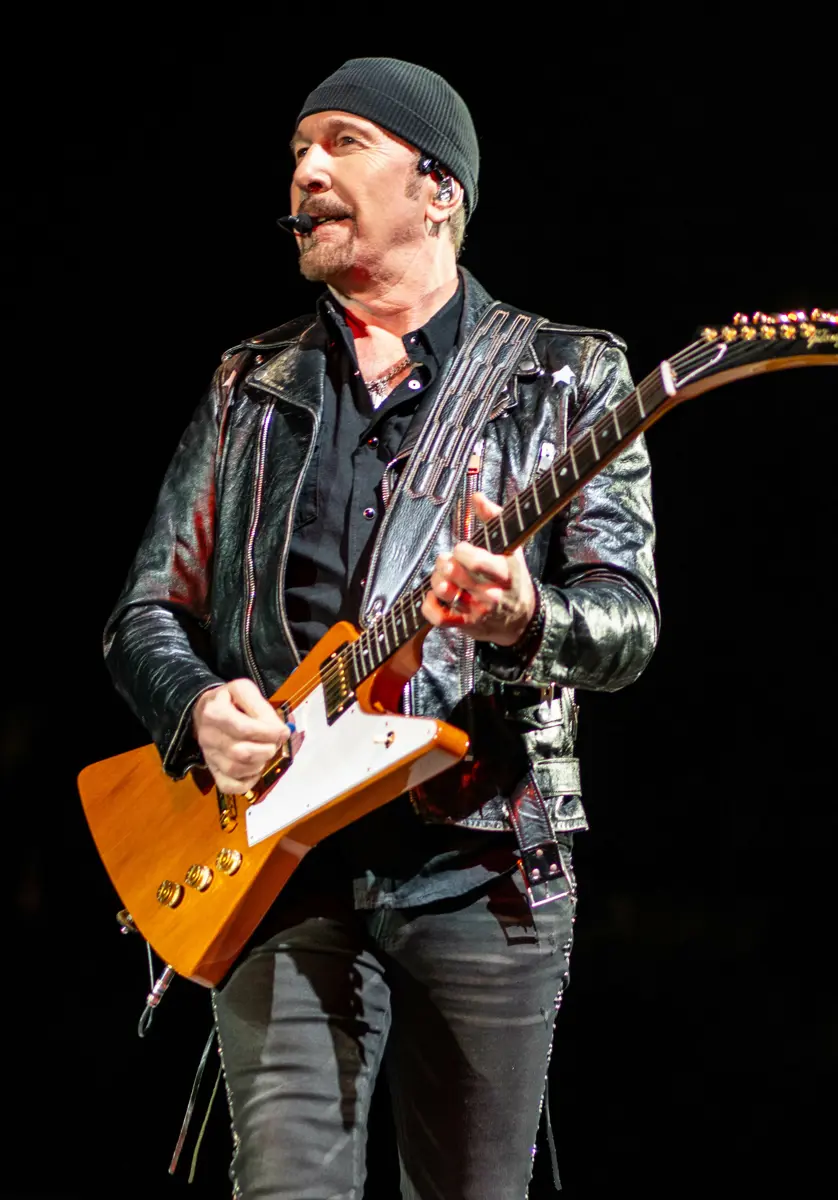
The Edge is the clearest case on this list that tone is a system, not a box. On paper it's a Strat or Explorer into Vox AC30s. But the signature sound is the rhythmic dotted-eighth delay used as a compositional element, not an afterthought.
Here's what makes it work. The delay timing is locked to the song's tempo, so a simple part turns into a cascading, three-dimensional texture that plays itself. One note in, two or three notes out, all interlocking. The effect isn't decorating the guitar — the effect is the instrument.
And from a mix standpoint, it's a gift. The result is spacious and clean, with the repeats filling space that a busier player would clog up. It leaves room for the band and sits in the track beautifully.
Strip the delay away and the part is almost nothing. Add it back, locked to tempo, and it's a hook. That's the whole lesson.
The record that proves it: any U2 track where the delayed arpeggio carries the song.
9. Brian May
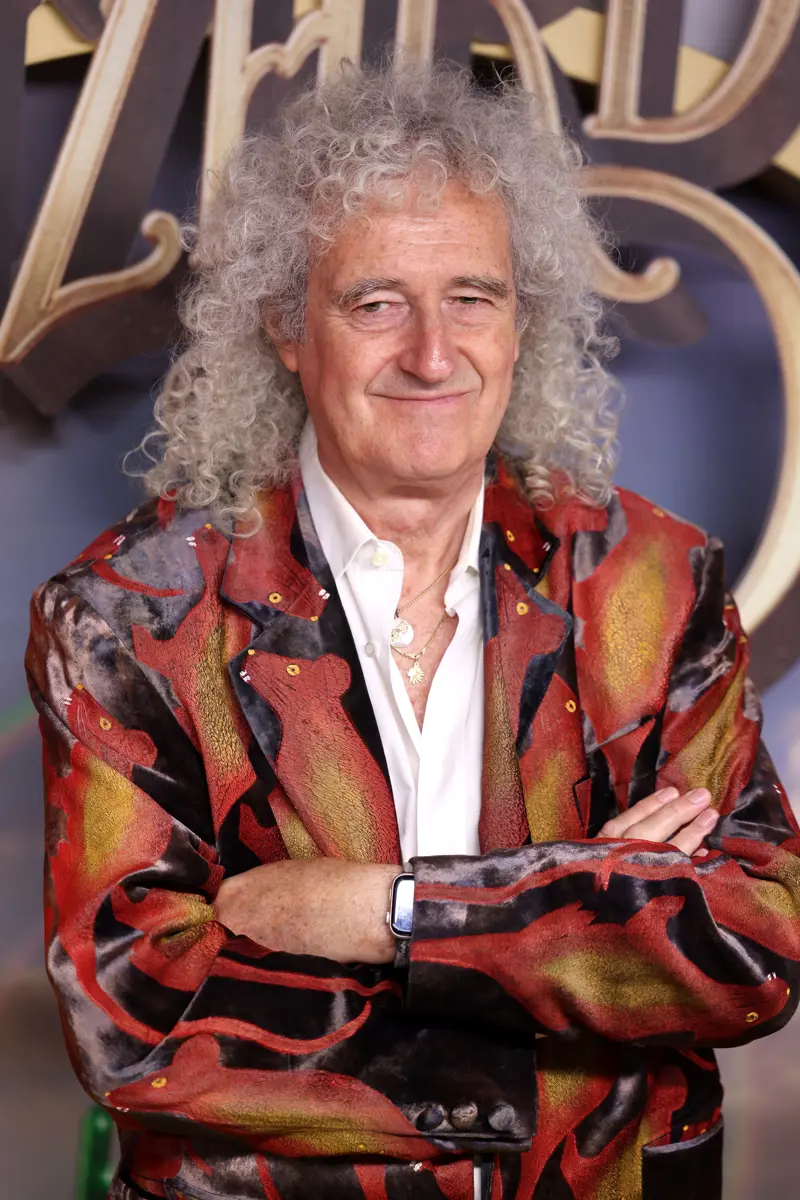
Brian May's tone is orchestral. Warm, vocal, and layered into something that sounds like a whole string section playing guitar.
The rig is unusual in the best way. His homemade "Red Special" runs into treble boosters that push Vox AC30s into a creamy, violin-like sustain. He even famously used a coin as a pick for a brighter, more defined attack. All of that gives the single-note tone its singing quality.
But the famous Queen guitar "orchestra" isn't one tone. It's many tracked layers, harmonized and panned across the stereo field. That's a production and arrangement feat as much as a tone feat — the magic is in the stacking, not just the sound of one pass.
From the engineer's chair, this is a reminder that arrangement is part of tone. A great sound tracked once is a great sound. Tracked in thoughtful harmony and spread wide, it becomes an event.
The record that proves it: any Queen track where stacked guitar harmonies carry the whole arrangement.
10. Jimmy Page
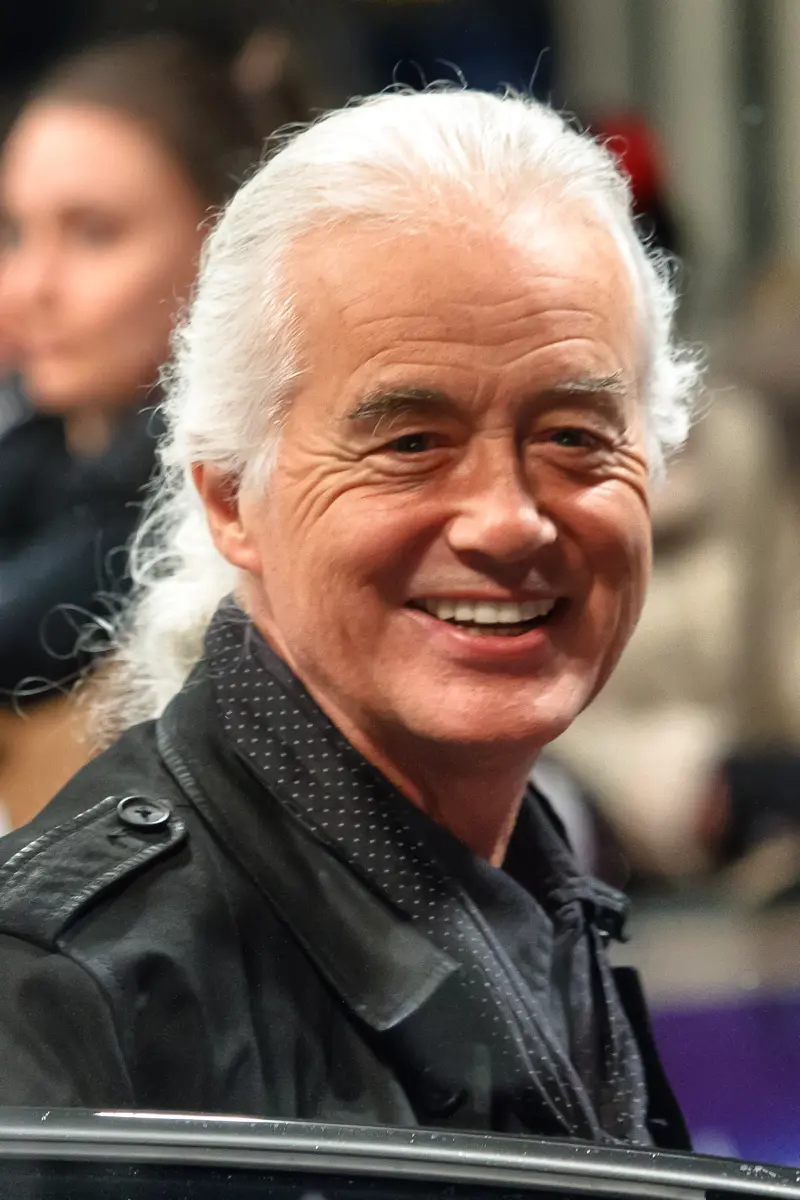
On the surface, Page is the classic Les Paul into Marshall sound. But the real story — and the reason he closes this list — is the recording.
Page understood that how you capture a guitar is as much a part of the tone as the rig itself. A lot of those famous riffs were cut with careful mic placement, often distant room miking to grab the size and ambience of the space rather than just jamming a mic on the grille.
That's the whole systems argument in one move. Close-mic a cab and you get the speaker. Pull the mic back into a big room and you get the speaker plus the air, the reflections, the sense of scale. Same amp, totally different recorded tone.
It's why those guitars sound enormous without necessarily being drenched in gain. The room is doing a lot of the heavy lifting, and Page knew it.
The record that proves it: any Led Zeppelin track where the guitar sounds huge because of how it was captured, not just what was played.
Frequently Asked Questions (FAQs)
Who has the best guitar tone of all time?
Jimi Hendrix takes the top spot for recorded tone, because his sound came from a cranked Plexi, a Fuzz Face, and his guitar's volume knob all interacting as one breathing system. It's touch-sensitive, dynamic, and still instantly recognizable in a single note.
Is guitar tone in the hands or the gear?
Both, and the split matters. The player's attack, timing, and vibrato shape the sound before any gear touches it — think Stevie Ray Vaughan's heavy strings and hard pick. Then the rig, the room, and the mic shape what gets recorded. Neither one works without the other.
Can you get these classic guitar tones with plugins now?
Yes. Plugins are as good as the hardware now, full stop. A good amp sim reacting to your playing dynamics will get you convincingly into Plexi, AC30, or Hiwatt territory. The old "you need real tubes" argument is over — the gap closed years ago.
Does playing louder actually sound better?
Yes, when it's done right. A cranked power amp saturating and compressing is a real tonal effect, not a myth — it's a huge part of Hendrix, Van Halen, and Angus Young's sound. Loudness used with intent sounds better. It's not something to apologize for.
What's the difference between guitar tone and technique?
Tone is the recorded sound — the character, warmth, and texture captured on tape. Technique is what you play — the notes, the speed, the phrasing. A fast player can have a thin tone, and a simple part can sound enormous. This list ranks tone, not technique.
Final Thoughts
If there's one thread tying these ten together, it's that none of them found their sound in a single box. It's always the interactions — the amp sagging, the fuzz reacting, the room breathing, the mic pulled back, the layers stacked. The gear matters, but it's the way it all talks to each other that you actually hear.
So the next time you're chasing a tone, don't just buy the pedal somebody famous used. Look at the whole chain, push it the right amount, and trust your ears. That's where the magic actually lives.
Some of the links within this article are affiliate links. These links are from various companies such as Amazon. This means if you click on any of these links and purchase the item or service, I will receive an affiliate commission. This is at no cost to you and the money gets invested back into Audio Sorcerer LLC.